
Get to know the types of salt and make the best choice | Press
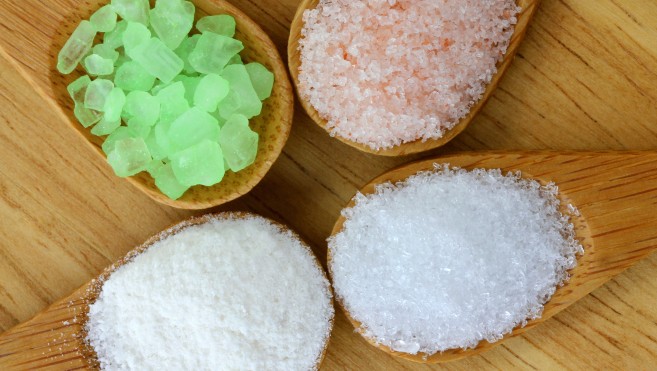
Learn about the types of salt, their main characteristics, and how they can contribute to a better diet.
São Paulo, September 2014 – Salts are generally extracted from natural sources such as seawater and rocks. When we talk about salt, the first one that comes to mind is the one we always have on the table to enhance the flavor of our meals. However, besides table salt, there are other types such as sea salt, monosodium glutamate, light salt, and so on. The list is long; the important thing is to know them and understand how they can contribute not only to improving our health but also the flavor of our food.
Most people know that the salt we consume daily contains sodium. Sodium is a chemical element naturally present in some foods and in the human body. Salts are compounds formed by neutralization reactions between an acid and a base. Felix Reyes, Ph.D. in Food Toxicology from Unicamp (State University of Campinas), explains: “The chemical combination between the alkali metal sodium and another chemical element, chlorine, results in sodium chloride, the substance that gives the salty taste.”
However, other types of salts are also used as flavor enhancers, such as potassium chloride, monosodium glutamate (which provides the Umami taste), disodium guanylate, among others. All these examples can be used to enhance food flavor and contribute to health if used properly. “Among chemical compounds, there is a wide range of different doses and routes of administration that may or may not produce an adverse health effect. For this, the characteristics of the compounds (intrinsic toxicity), routes, duration, and frequency of exposure, among others, must be studied to determine how harmful they may be. A simple example would be injecting any amount of water into the brain. Although it is a safe and healthy substance, this application could be lethal,” explains the specialist.
Reyes explains the different types of salts and states that “in food, salts have the function of enhancing flavor, providing the salty taste (such as sodium or potassium chloride) and the umami taste (such as salts of glutamate, inosinate, and guanylate).” Sodium, although often seen as a villain, plays important roles in our body, as it “contributes to maintaining osmotic pressure, acid-base balance, nerve-muscle function, and blood pressure. In addition, iodized sodium chloride can help control hypothyroidism,” concludes the professor.
Table salt: contains 38.8 g of sodium per 100 g and is a refined salt that may be iodized or not. This type of salt is mainly used in cooking and at the table.
Kosher salt: contains no additives and has a coarse grain. Gourmet cooks often prefer its texture and flavor in cooking.
Monosodium glutamate: known as the Umami salt for providing the fifth basic taste of the human palate, it contains one-third the amount of sodium found in table salt. It enhances the flavor of foods and helps reduce sodium in recipes.
Sea salt: comes in fine or coarse grains and has a slightly different flavor caused by other minerals it contains. It is produced by the evaporation of seawater.
Seasoned salt: is a salt mixture that includes herbs and other spices.
Light salt: typically replaces all or part of the sodium with another mineral. There are sodium-free dietary salts made from potassium, ammonium, or magnesium chlorides and phosphates, among others. These salts are sold in pharmacies and can be used as long as there is good diuresis, preserved kidney function, and no liver impairment, as in some cases, the use of potassium and ammonium salts may worsen the condition of patients with hypertension or kidney disease.
UMAMI TASTE
The Umami taste is the fifth basic taste of the human palate and was discovered in 1908 by Japanese chemist Kikunae Ikeda. However, it was only recognized by the scientific community in 2000, when researchers at the University of Miami found specific receptors on taste buds. The amino acid glutamic acid and the nucleotides inosinate and guanylate are the main substances that confer Umami. Parmesan cheese, tomato, mushrooms, and meats in general are foods that contain these substances in large proportions and therefore have the fifth taste more prominently. The two main characteristics of Umami are increased salivation and the lingering taste for a few minutes after eating the food.
Get to know the types of salt and make the best choice | Press
-
Telephone
+55 (11) 3165-9595 / 91665-8665
-
Email
umami@fsb.com.br
Related news
- Notícia
Less Salt, More Umami: Try Flavorful Recipes with Reduced Sodium
- Notícia
Minas Gerais Cuisine: Chef Explains What Makes the Region’s Dishes So Flavorful

- Notícia
Golden August: the first strategic asset of our lives is breastfeeding.
- Notícia