
Five umami foods that may help improve intestinal function
Nutritionist from the Umami Committee shares tasty foods for a more balanced, healthy life
São Paulo, June 2022 – Did you know that gut health can influence how our body functions? The intestine, considered our second brain, plays very important roles in maintaining our health and energy. For this reason, caring for the digestive system makes all the difference in our lives.
To ease symptoms of intestinal discomfort, you need to invest in a balanced diet. There are some foods that, when consumed, can help regulate the gut microbiota and promote digestive health.
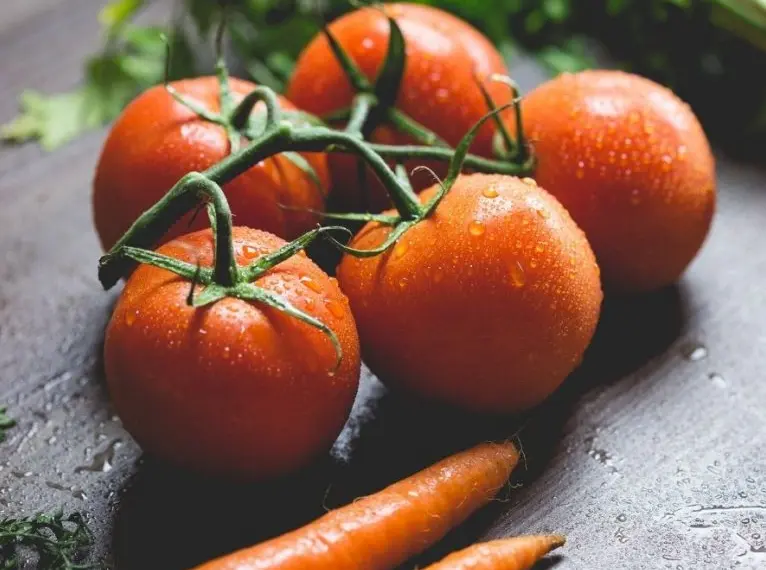
Mariana Rosa, a nutritionist from the Umami Committee, suggests betting on umami foods, such as raw carrot— a source of beta-carotene (a vitamin A precursor), fiber, and bioactive compounds— and tomato, which contains fiber and antioxidant compounds (such as lycopene). “Umami foods add more flavor to light, nutritious dishes. This happens because they are rich in proteins and in the amino acid glutamate. This amino acid is an energy source for intestinal cells. Ninety-five percent of ingested glutamate is metabolized in the intestine,” she explains.
With the goal of helping you build a varied, flavorful menu, the nutritionist selected five umami foods to include in your routine:
- Spinach: dark-green leaves contain insoluble fiber that supports healthy bowel function.
- Sweet potato: low–glycemic-index tubers contain a type of carbohydrate that supports healthy bowel function, helps prevent blood sugar spikes, and increases satiety.
- Raw carrot: a source of beta-carotene (vitamin A precursor), fiber, and bioactive compounds—antioxidants that support health and also contribute to proper bowel function.
- Tomato: rich in fiber and antioxidant compounds such as lycopene, which can also help prevent intestinal discomfort. If you have diverticulitis, remember to avoid the seeds and skin—consume only the tomato pulp.
- Chicken: besides being umami, it’s a lean protein without a high fat content.
UMAMI
It is the fifth basic taste of the human palate, discovered in 1908 by Japanese scientist Kikunae Ikeda. It was scientifically recognized in 2000, when researchers at the University of Miami confirmed the existence of specific receptors for this taste on the taste buds. The amino acid glutamic acid and the nucleotides inosinate and guanylate are the main umami substances. The two main characteristics of umami are increased salivation and the persistence of taste for a few minutes after eating. To learn more, visit www.portalumami.com.br and follow on social media at facebook.com/gostoumami and instagram.com/ogostoumami.
Five umami foods that may help improve intestinal function
-
Telephone
+55 (11) 3165-9595 / 91665-8665
-
Email
umami@fsb.com.br
Related news
- Notícia
Less Salt, More Umami: Try Flavorful Recipes with Reduced Sodium
- Notícia
Minas Gerais Cuisine: Chef Explains What Makes the Region’s Dishes So Flavorful

- Notícia
Golden August: the first strategic asset of our lives is breastfeeding.
- Notícia