
Five basic ingredients to include umami in your daily life | Press
São Paulo, March 2016 – In celebration of World Health and Nutrition Day, held on March 31, the Umami Committee, in partnership with chef Mariane Sato, listed some basic – and easy-to-find – ingredients that can add Umami to your meals.
In addition to giving dishes a special touch, the fifth basic taste of the human palate can bring more health and well-being to consumers’ daily lives, since Umami-rich foods help prolong flavor, increase salivation, and aid digestion, while also being great allies in reducing sodium intake.
Check out the list and enjoy all that the Umami taste has to offer:
- Tomatoes
The Umami taste is present in many vegetables, such as carrots, corn, and spinach. However, tomatoes have the highest concentration of the fifth taste, and the amount of Umami varies according to the fruit’s ripeness. Chef Mariane Sato says, “A good tip is to include sun-dried or cherry tomatoes in salads, or make a red sauce with ripe, richly colored tomatoes.” For dessert, Umami appears in tomato truffles. - Mushrooms
In several mushroom varieties (such as button, shimeji, shiitake, and champignon), the Umami taste is present due to the amino acid guanylate. Shiitake, in particular, has a strong Umami profile that prolongs flavor and increases salivation, which aids swallowing and can benefit the diet of older adults. “Most mushrooms are sources of vitamin B and zinc. A daily tip is to eat them raw, grilled, or boiled in water and salt—they can be added to salads, risottos, pasta dishes, or omelets,” says the chef. - Meats, chicken, and fish
Most protein-rich foods naturally contain Umami. The amino acid glutamate—one of the three compounds responsible for producing the fifth taste—is found in most meats and poultry. In fish, the amino acid inosinate plays this role. The chef suggests “adding Umami to recipes through bonito, beef topside, or the traditional chicken fillet.” - Cheeses
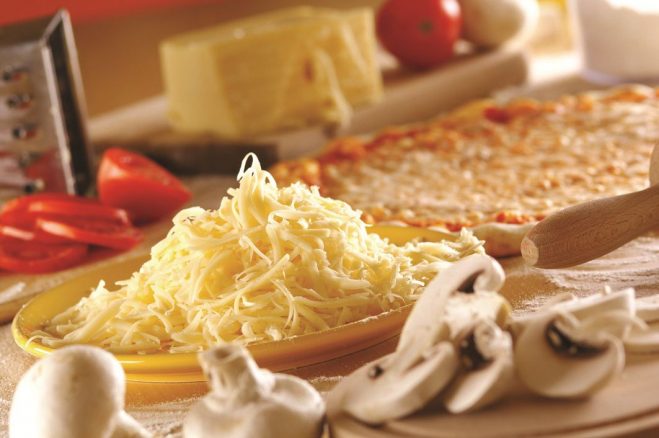
Among dairy products, all cheeses feature a pronounced Umami taste, but Parmesan is the best option to experience it fully. “After the salty taste fades, it’s still possible to feel something on the surface of the tongue—that’s the Umami taste,” explains Mariane Sato. Parmesan can be served as a snack or sprinkled over pasta, and it’s a great way to introduce Umami to the family. - Seafood
Umami is also found in seafood, especially white shrimp and various types of crab, as well as in scallops and seaweeds. “The scientist Kikunae Ikeda discovered Umami in 1908 through kombu seaweed, which is now widely used as a broth base in many dishes. For those who want to use all these Umami ingredients, paella is the best option,” concludes the chef.
Visit portalumami.com.br for more tips and recipes on how to include Umami in your everyday meals.
UMAMI
It is the fifth basic taste of the human palate, discovered in 1908 by Japanese scientist Kikunae Ikeda. It was scientifically recognized in 2000 when researchers at the University of Miami confirmed the existence of specific receptors for this taste on the taste buds. The amino acid glutamic acid and the nucleotides inosinate and guanylate are the main Umami substances. The two main characteristics of Umami are increased salivation and the continuation of the taste for a few minutes after eating. To learn more, visit portalumami.com.br.
Five basic ingredients to include umami in your daily life | Press
-
Telephone
+55 (11) 3165-9595 / 91665-8665
-
Email
umami@fsb.com.br
Related news
- Notícia
Minas Gerais Cuisine: Chef Explains What Makes the Region’s Dishes So Flavorful

- Notícia
Golden August: the first strategic asset of our lives is breastfeeding.

- Notícia
Easter Sunday: check out five recipes that will awaken the umami taste on this special date

- Notícia