
Find out which typically Brazilian dishes are rich in umami | Press
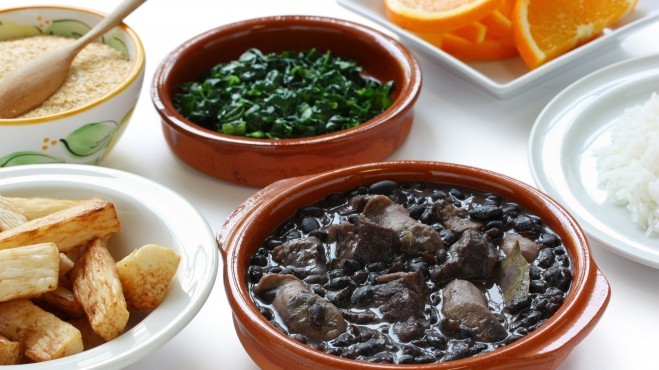
Fish—very present in the North and Northeast—and red meats—traditional in the South—feature in regional recipes that use foods rich in umami in their preparations.
Umami, the fifth basic taste of the human palate—alongside sweet, salty, sour, and bitter—was discovered over a century ago in Japan. Much appreciated in the Land of the Rising Sun, the fifth taste is also hugely popular among Brazilians. Countless traditional Brazilian dishes include foods that are naturally rich in Umami.
Fish, very common in the North and Northeast, and red meats, traditional in the South, for example, appear in regional recipes that use Umami-rich foods in their preparations. Chef Richard Ricelle, a specialist in Western cuisine, explains that Brazilian gastronomy is highly diverse and, therefore, it is possible to find Umami in dishes from practically every part of the country.
“Pato no tucupi, traditional in Acre; moqueca, much appreciated in Bahia; corn porridge, famous in Maranhão; and carne de sol, well known in Piauí, are examples of very nutritious foods that are rich in the fifth taste,” the chef lists (see the full list in the infographic). According to Richard, one of the main characteristics of Umami is making dishes more flavorful.
For the chef, Brazilians already enjoy umami unconsciously. “Proof of this is feijoada, cheeses, and tomato—foods that are genuinely Brazilian and very rich in the fifth taste. We need to take advantage of the diversity of our national gastronomy to train our palate,” encourages the chef.
UMAMI TASTE
Umami is the fifth basic taste of the human palate and was discovered in 1908 by Japanese chemist Kikunae Ikeda. However, it was only recognized by the scientific community in 2000, when researchers at the University of Miami found specific receptors on the taste buds. The amino acid glutamate and the nucleotides inosinate and guanylate are the main substances that provide Umami. Parmesan cheese, tomato, mushrooms, and meats in general are foods that contain these substances in large proportions and therefore exhibit the fifth taste more intensely. The two main characteristics of Umami are increased salivation and a lingering taste for a few minutes after eating.
UMAMI COMMITTEE
The Umami Committee Brazil is a group created to discuss and disseminate topics related to Umami, the fifth basic taste of the human palate. The committee has a direct relationship with the Umami Information Center (UIC), a non-profit organization dedicated to research on the subject.
Find out which typically Brazilian dishes are rich in umami | Press
-
Telephone
+55 (11) 3165-9595 / 91665-8665
-
Email
umami@fsb.com.br
Related news
- Notícia
Minas Gerais Cuisine: Chef Explains What Makes the Region’s Dishes So Flavorful

- Notícia
Golden August: the first strategic asset of our lives is breastfeeding.
- Notícia
Easter Sunday: check out five recipes that will awaken the umami taste on this special date

- Notícia