
Elderly Day: Learn how to prevent malnutrition in old age
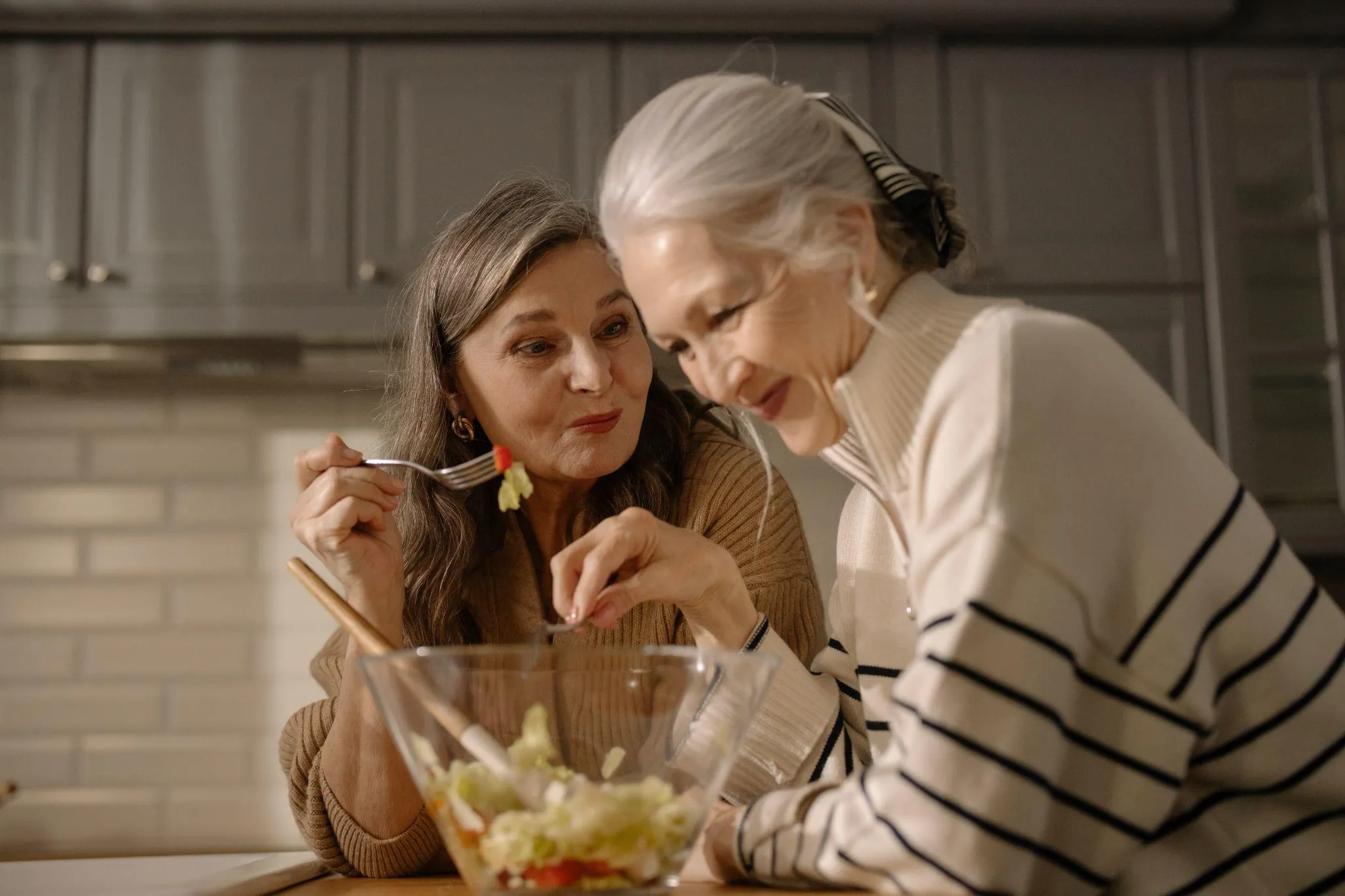
Credits: Pexels
A diet rich in umami helps improve food acceptance among the elderly
São Paulo, October 2022 – The International Day of Older Persons is celebrated on October 1st and aims to raise awareness in society about aging issues and care for the elderly population. It is at this stage of life that limitations in vision, hearing, and also in taste begin to appear. The loss of taste sensitivity among the elderly can directly influence food choices, and a lower intake of a particular food group can lead to several complications such as anemia and, in more severe cases, malnutrition.
Studies indicate that umami – the fifth basic taste of the human palate – helps improve food acceptance among older adults. An article published by the Monell Chemical Senses Center in the United States shows that taste structures are altered due to a decrease in the number of taste buds and gustatory cells on the tongue. “For elderly people not to have their food acceptance affected, it is necessary to vary the ingredients used in meals, with different foods and seasonings, helping to stimulate palatability,” says nutritionist and member of the Umami Committee, Mariana Rosa.
According to her, a study conducted in Japan showed that the detection thresholds for glutamate (the main umami substance) were higher in older women compared to middle-aged women. Even though the elderly experience losses in taste sensitivity, it was found that supplementing diets with umami substances or ingredients, especially glutamate — naturally present in foods such as tomato, fish, and corn — improves the nutritional condition of individuals over 60 years old.
Another important point regarding the inclusion of umami foods in the diet of elderly people is the increase in salivation during meals. “Umami can contribute to taste stimulation and assist in chewing, which can also help prevent dental decalcification. This contributes to oral hygiene since its composition allows for the creation of an antimicrobial barrier, and it also aids digestion, as it contains specific enzymes,” says the nutritionist.
VARIED MENU
There are several recipe options that help put these concepts into practice in the daily menu for the elderly, according to Mariana Rosa. For breakfast, dairy products such as cheese and cream cheese can be included in moderation; at lunch, if possible, have a bit of corn or pea soup or a salad with umami ingredients (using tomatoes, mushrooms, peas, corn, turkey breast, and Parmesan cheese shavings). For the main meal, the traditional rice and beans served with meat, chicken, or fish; and finally, for dinner, soups are a great option, especially in winter. During summer, cold soups such as gazpacho (a tomato soup of Spanish origin) or pumpkin soup are very nutritious and tasty.
UMAMI
It is the fifth basic taste of the human palate, discovered in 1908 by Japanese scientist Kikunae Ikeda. It was scientifically recognized in 2000, when researchers from the University of Miami confirmed the existence of specific receptors for this taste on the taste buds. The amino acid glutamic acid and the nucleotides inosinate and guanylate are the main umami substances. The two main characteristics of umami are increased salivation and the persistence of taste for a few minutes after food ingestion. To learn more, visit www.portalumami.com.br.
Elderly Day: Learn how to prevent malnutrition in old age
-
Telephone
+55 (11) 3165-9595 / 91665-8665
-
Email
umami@fsb.com.br
Related news
- Notícia
Less Salt, More Umami: Try Flavorful Recipes with Reduced Sodium
- Notícia
Minas Gerais Cuisine: Chef Explains What Makes the Region’s Dishes So Flavorful

- Notícia
Golden August: the first strategic asset of our lives is breastfeeding.

- Notícia