
Do you know the Umami taste? | Press
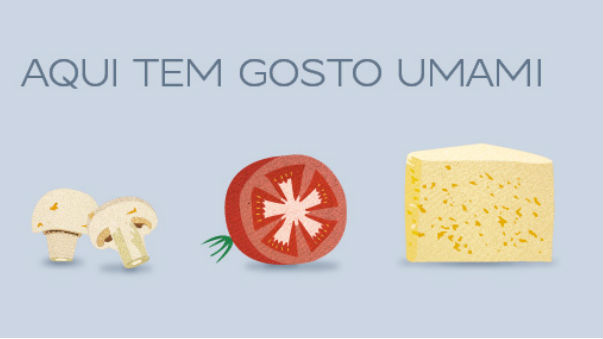
We’ve always learned in school that there are only 4 tastes, but what few people know is that in 1908 a Japanese researcher discovered one more.
July 25 is the official date of the discovery of Umami, the fifth basic taste of the human palate, which in 2012 turns 104 years old. Despite this, to this day we learn in school that there are only four tastes—sweet, salty, sour, and bitter. What few people know is that in 1908 a Japanese researcher named Kikunae Ikeda discovered a different taste, something quite unique, named Umami, which in Portuguese can be translated as “savory” or “delicious.”
Even though it was discovered more than a century ago, the fifth taste was only scientifically recognized decades later. In 2000, scholars at the University of Miami, led by researcher Nipura Chaudhari, confirmed the presence of a specific receptor for Umami on the tongue, called mGluR4. After that confirmation, several other studies began to be conducted to better understand the characteristics and particularities of this “new” taste.
BUT WHICH FOODS PROVIDE THE FIFTH TASTE?
Some substances are responsible for providing Umami. The main representative is the amino acid glutamate, found especially in animal-derived foods such as cheeses and meats. However, other substances—such as the nucleotides inosinate and guanylate—present in foods of various origins, mainly meats, vegetables, and fungi, also confer the fifth taste (a list of key foods can be found at http://www.portalumami.com.br/o-que-e-umami/alimentos-aplicacoes).
Hellen Maluly, professor of bromatology and food toxicology at Faculdade Oswaldo Cruz, explains that the fifth taste is hard to describe. “Two main characteristics can distinguish Umami from the others: increased salivation and the lingering of taste for a few minutes after the food is consumed,” she says.
According to Hellen, Parmesan cheese— the food with the highest concentration of glutamate— is an excellent example for understanding the fifth taste. “After eating Parmesan, we feel a taste that remains on the surface of the tongue for a few minutes. In a general sense, that is the Umami taste,” the specialist illustrates.
STUDIES ON UMAMI
A study conducted by Manuel Eduardo Baldeón, professor at the University of San Francisco of Quito, Ecuador, suggests that babies of adult mothers may have greater immune resistance than newborns of adolescent mothers. That’s because glutamate—the substance that gives the Umami taste—would be more abundant in the breast milk of mothers between 20 and 36 years of age, which would be directly linked both to the formation of babies’ intestines and to the development of the immune system.
“When a pathogenic microorganism enters our body, the defense cells begin to fight it. At that moment glutamate plays a key role, as it helps pass the message to other cells so that they can combat the invading microorganism and consequently stop its development,” says Baldeón.
Another study, this time conducted by researchers at the Monell Chemical Senses Center in Philadelphia, United States, evaluated the control of satiety—and consequently of obesity— in newborns. They found that satiety would also be directly linked to the glutamate present in breast milk. Therefore, children with good breastfeeding practices would have a lower chance of developing weight-related disorders.
Some research, not yet published, links the Umami taste to improved food acceptance both in patients undergoing cancer treatment and in the elderly. “This improvement in acceptance happens because Umami can make foods more flavorful and appealing to our palate,” explains Hellen Maluly.
UMAMI COMMITTEE
The Umami Committee Brazil is a group created to discuss and disseminate topics related to the fifth basic taste of the human palate, Umami. The committee has a direct relationship with the Umami Information Center (UIC), a non-profit organization dedicated to research on the subject.
Do you know the Umami taste? | Press
-
Telephone
+55 (11) 3165-9595 / 91665-8665
-
Email
umami@fsb.com.br
Related news
- Notícia
Less Salt, More Umami: Try Flavorful Recipes with Reduced Sodium
- Notícia
Minas Gerais Cuisine: Chef Explains What Makes the Region’s Dishes So Flavorful

- Notícia
Golden August: the first strategic asset of our lives is breastfeeding.
- Notícia