
Do you know the umami taste?
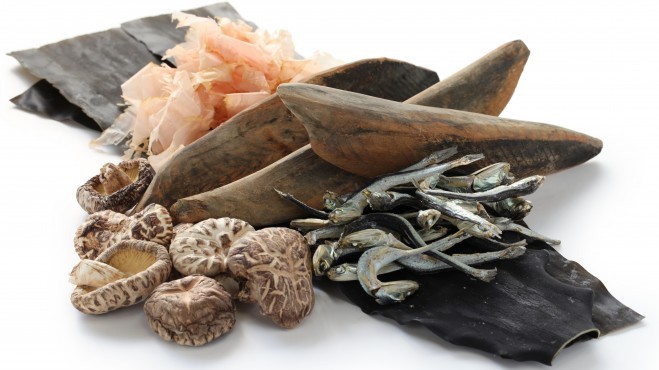
Although little known in Brazil, umami is a century-old taste: its discovery turns 107 years old on the 25th of this month. There is nothing better than celebrating this date by telling a little more about its history and its benefits for nutrition and human health.
But before that, let’s understand the difference between taste and flavor. Although they are considered synonyms, each has particularities and different functions. Humans are capable of identifying five basic tastes: sweet, salty, sour, bitter, and umami, whose perception depends solely and exclusively on the palate, through the taste buds and receptors present on the tongue, which send the perception of taste to the brain for identification. Flavor perception, on the other hand, depends on the integration of touch, smell, and taste – especially the latter two. Take the test below and understand the difference between the two concepts:
Taste vs. Flavor Test
- Take a mint candy and, before opening it, pinch your nose.
- Place the candy in your mouth and keep your nose pinched.
- After a few seconds, release your nose.
- Notice that when the candy is placed in the mouth with the nose pinched, it is only possible to perceive the sweet taste. But when the nose is released, in addition to the sweet taste, it is possible to perceive the flavor of the candy, in this case mint, through the interaction between taste and smell.
Have you ever tasted umami?
A practical and simple way to perceive the fifth taste is through foods naturally rich in umami, such as Parmesan cheese, which has one of the highest concentrations of glutamate (the main umami substance, along with inosinate and guanylate). Try it: after eating Parmesan cheese, it is possible to feel a taste of “something extra” that lingers on the surface of the tongue for a few minutes, after the perception of salty taste, along with a slight increase in salivation – this is the Umami taste.
An alternative for sodium reduction
In addition to also being an umami substance, along with glutamic acid, added glutamate, popularly known as monosodium glutamate, can be an alternative for reducing sodium in the diet because it contains about 1/3 of the amount of sodium present in table salt. That is, while monosodium glutamate has 123 mg of sodium, the same amount of salt has 388 mg.
Mariana Rosa, nutritionist and coordinator of the Umami Committee, teaches how to use the additive in the best way: “during the preparation of a recipe it is possible to use only half the amount of salt normally used and complete the other half with monosodium glutamate. In this way, the flavor of the dish will be maintained, without compromising health,” she explains.
The importance of salivation and its benefits
Umami foods can be allies in the digestive process and contribute to oral health, since when they come into contact with the tongue, umami substances provide a greater increase in salivation. “Saliva facilitates the dilution of food; increases sensitivity to tastes and aromas and has a bactericidal function, protecting the mouth from the action of some pathogenic microorganisms,” explains Hellen Maluly, PhD in food science from the State University of Campinas (Unicamp) and specialist in Umami. She also states that “viruses, bacteria, and fungi of different kinds may be present in contaminated foods and the first line of defense we have in our body is saliva, which is able to act against these pathogens.”
That is why salivation is so important in certain types of cancer treatments, when patients suffer changes in saliva production – called xerostomia or “dry mouth.” Radiotherapy waves, for example, damage the tissue of the salivary glands, which consequently reduce production. Meanwhile, the drugs used during chemotherapy can lead to the production of thicker saliva, generating as a side effect the sensation of dryness.
Such problems can directly influence patients’ nutrition, since they make food intake and digestion difficult. “Studies show that saliva contributes to the healthy condition of taste buds, providing improved appetite and nutritional status of people,” says the coordinator of the Umami Committee. Furthermore, it is very common for debilitated patients not to feel like eating. But when they do not eat properly, they do not strengthen the body that is already weakened, which can even harm treatment. That is where umami and all the “power” of the fifth taste come in.
Dr. Hellen Maluly explains: “to understand how we can stimulate the salivation process, you can massage the glands by moving your finger along the cheek, at the jaw area, just under the jawline. With this stimulation, you can feel the increase in salivation. Glutamate also plays this role.”
Some researchers speculate that the fifth taste may help in saliva secretion. “Clinical data showed that most patients with loss of appetite related to ‘dry mouth’ had their symptoms relieved through the consumption of foods containing monosodium glutamate (one of the substances that provides the fifth taste). The improvement in palatability it exerts significantly contributes to greater acceptance and satisfaction of groups with nutritional needs compromised by illness and hospitalized patients. Some authors suggest the use of ‘kombucha’ (Japanese tea made from seaweed powder), which is rich in glutamate, as an alternative to reduce symptoms related to ‘dry mouth’,” Mariana adds.
UMAMI COMMITTEE
The Umami Brasil Committee debates and disseminates topics related to the fifth taste. The Committee has a direct relationship with the Umami Information Center (UIC), a non-profit organization dedicated to research on the subject. To learn more, visit http://www.umamiinfo.com/.
Do you know the umami taste?
-
Telephone
+55 (11) 3165-9595 / 91665-8665
-
Email
umami@fsb.com.br
Related news
- Notícia
Minas Gerais Cuisine: Chef Explains What Makes the Region’s Dishes So Flavorful

- Notícia
Golden August: the first strategic asset of our lives is breastfeeding.

- Notícia
Easter Sunday: check out five recipes that will awaken the umami taste on this special date

- Notícia