
Discover the umami taste in typically Brazilian dishes | Press
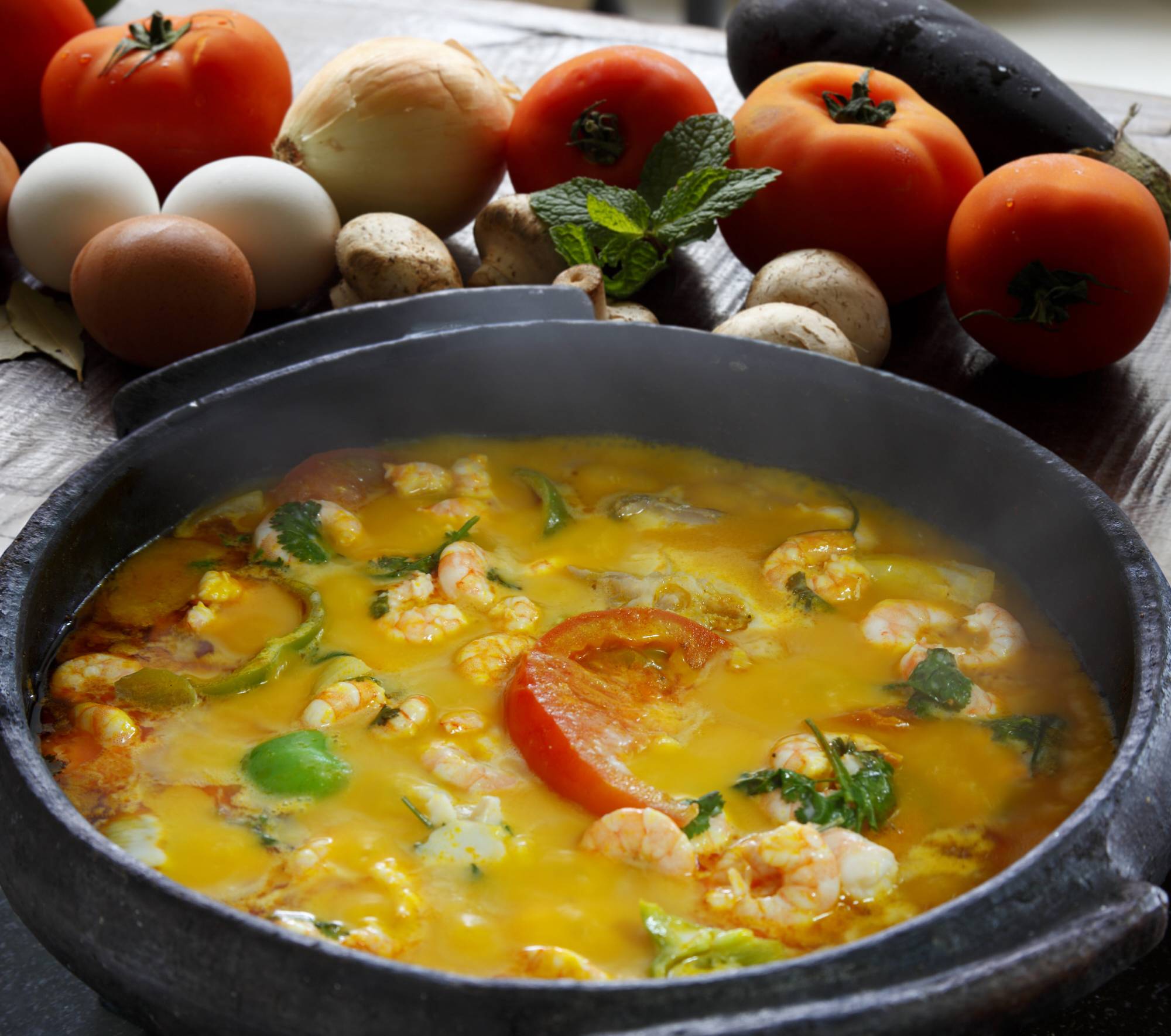
The Umami Committee explains how the fifth taste is present in local cuisine.
São Paulo, April 2015 – Umami, the fifth taste of the human palate, is present in all cultures around the world. In Brazil, practically every region has a traditional dish with Umami ingredients. We can perceive the fifth taste through increased salivation and the lingering sensation that lasts longer on the tongue. Traditional foods such as tomatoes, Parmesan cheese, and beef and pork in general are some examples of Umami foods.
According to Chef Cássio Prados, “the Brazilian dishes that have the Umami taste most prominently are: moqueca baiana and bobó de camarão from the Northeast region, tainha na telha from the Southeast, and quibebe with dried meat, a typical dish from Minas Gerais and Goiás.” The examples extend to other parts of the country.
In the South, well known for its famous barbecue, Umami is present in all meats, “and it becomes more pronounced with longer maturation periods. The longer the period, the higher the concentration of the fifth taste,” adds the chef.
Fish, a widely used ingredient in Brazilian cuisine, is the one with the highest Umami concentration and is present in many regions. In the Northeast, it appears in the moqueca baiana, traditionally made with fish such as pollock, surubim, or meca, as well as filhote no tucupi from the North region.
In the Central-West region, “capybara steak is considered an Umami dish due to its high concentration of glutamate, the amino acid responsible for providing the fifth taste to food,” says Cássio. In the Southeast, feijoada, traditional in Rio de Janeiro, and virado à paulista, commonly found in São Paulo, contain several ingredients that provide the Umami taste, such as dried meat, paio, and sausage—foods that go through a maturation process.
For Chef Cássio Prados, Brazil has an immense gastronomic diversity and can take advantage of this to train the palate. “It is important work for Brazilian chefs to include Umami ingredients in their creations. By adding different foods to their preparations, we allow people to experience, in a distinct and pleasurable way, new tastes and flavors common to various regions but not yet widespread across the country,” he concludes.
UMAMI
It is the fifth basic taste of the human palate, discovered in 1908 by Japanese scientist Kikunae Ikeda. It was scientifically recognized in 2000, when researchers at the University of Miami confirmed the existence of specific receptors for this taste on the taste buds. The amino acid glutamic acid and the nucleotides inosinate and guanylate are the main Umami substances. The two main characteristics of Umami are increased salivation and the lingering taste that remains for a few minutes after eating.
UMAMI COMMITTEE
The Umami Committee Brazil discusses and promotes topics related to the fifth taste. The Committee has a direct connection with the Umami Information Center (UIC), a non-profit organization dedicated to research on the subject. To learn more, visit http://www.umamiinfo.com/.
Discover the umami taste in typically Brazilian dishes | Press
-
Telephone
+55 (11) 3165-9595 / 91665-8665
-
Email
umami@fsb.com.br
Related news
- Notícia
Less Salt, More Umami: Try Flavorful Recipes with Reduced Sodium
- Notícia
Minas Gerais Cuisine: Chef Explains What Makes the Region’s Dishes So Flavorful

- Notícia
Golden August: the first strategic asset of our lives is breastfeeding.
- Notícia