
Discover the Main Benefits of Corn | Press
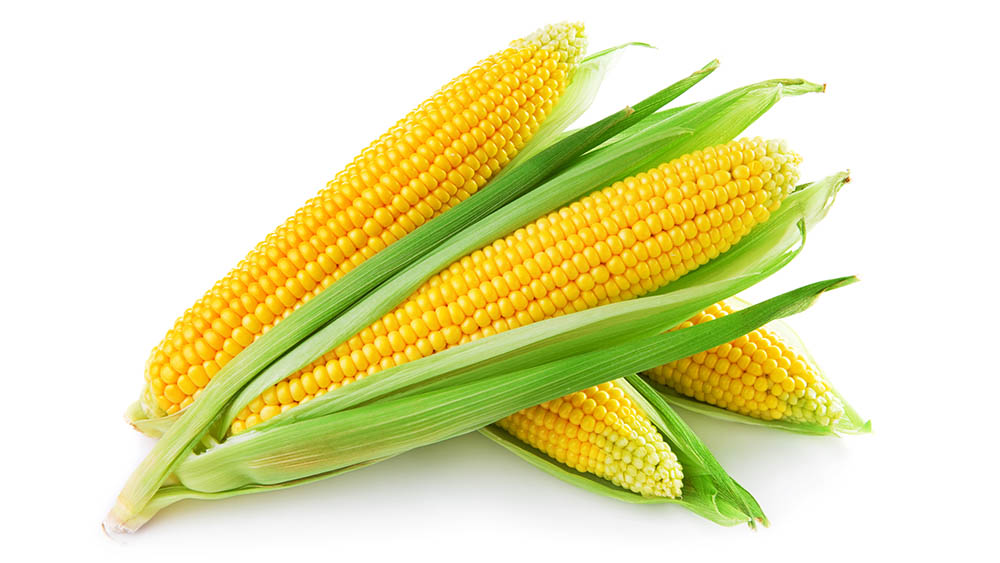
The cereal is rich in nutrients and can be found in recipes from many countries.
São Paulo, May 2017 – On the beach or in the city, in savory or sweet dishes… there’s no doubt corn is a very versatile food and part of many people’s daily lives. Today, it is the most produced cereal in the world and appears across different cultures. The leading corn-consuming countries are the United States and China, which use the grain mainly for energy generation and animal feed. In gastronomy, corn is a great option—either as the star of a dish or as a side—because it pairs well with a wide variety of recipes.
Corn is rich in vitamins A and B, proteins, fats, carbohydrates, calcium, iron, phosphorus, and starch. The food also contains a highly beneficial substance for maintaining the intestinal flora: dietary fiber. “Fiber is important for the development of the gut microbiota—that is, the microorganisms that inhabit the human intestine and are beneficial for improving motility and nutrient absorption,” says Hellen Maluly, who holds a PhD in Food Science from Unicamp. “It’s worth noting that drinking water along with fiber makes its action more effective and helps prevent constipation.”
What few people know is that this cereal has a peculiarity that makes it even more flavorful: umami—one of the five basic tastes of the human palate. Discovered in 1908, this taste is present in various types of corn and in many other everyday foods, such as ripe tomatoes, cheeses, mushrooms, and meats in general. “Umami offers health benefits, such as improving food acceptance, mainly by increasing saliva production, which helps the chewing process and the release of aromas, adding a special touch to the sensory character of culinary preparations, in addition to aiding protein digestion once they reach the stomach,” the specialist explains.
In corn, glutamic acid is the amino acid responsible for delivering the umami taste—there are 106 mg of glutamate per 100 g of sweet corn. Therefore, most recipes that use corn can be considered umami, as in the case of Cuscuz Paulista—which, besides being savory, is umami—or Brigadeiro de Milho, sweet and umami.
UMAMI
It is the fifth basic taste of the human palate, discovered in 1908 by Japanese scientist Kikunae Ikeda. It was scientifically recognized in 2000, when researchers at the University of Miami confirmed the existence of specific receptors for this taste on the taste buds. The amino acid glutamic acid and the nucleotides inosinate and guanylate are the main umami substances. The two main characteristics of umami are increased salivation and a lingering taste for a few minutes after eating. To learn more, visit portalumami.com.br and follow on social media at facebook.com/GostoUmami/ and instagram.com/ogostoumami.
Discover the Main Benefits of Corn | Press
-
Telephone
+55 (11) 3165-9595 / 91665-8665
-
Email
umami@fsb.com.br
Related news

- Notícia
Less Salt, More Umami: Try Flavorful Recipes with Reduced Sodium

- Notícia
Minas Gerais Cuisine: Chef Explains What Makes the Region’s Dishes So Flavorful

- Notícia
Golden August: the first strategic asset of our lives is breastfeeding.

- Notícia