
Discover the differences between taste and flavor | Press

Taste and flavor are commonly considered synonyms, but they are not. Each has different features and functions. Learn more below.
Taste
Humans can identify five basic tastes: sweet, salty, sour, bitter, and umami. The latter, very popular in the East, has been gaining recognition in the West. Umami is a Japanese term that can be translated as “savory” or “delicious.”
“To identify a taste, we use only one of the five senses: taste,” explains Hellen Maluly, professor of bromatology and umami specialist. “As soon as food comes into contact with the tongue, the receptors present in the taste buds identify the taste it has and then send the information to the brain,” she adds.
Flavor
Flavor is a bit more complex. In a recent publication of the British journal Nature, Barry Smith, professor at the School of Advanced Study in London, describes flavor as “the result of multisensory integration of smell, touch, and taste.” He goes further, stating that external situations—such as mood, sounds, or even the lighting of an environment—can determine how flavors are perceived.
Along the same lines, Stuart Firestein of Columbia University (USA) explains why temperature and texture are crucial when experiencing flavor. “You don’t enjoy a food that is slick or slippery when that’s not what you’re expecting,” says the specialist in a video published on the U.S. science discussion site Big Think.
Taste vs. Flavor Test
Try the following test to understand the difference between the two concepts:
- Take a mint candy.
- Hold your nose.
- Put the candy in your mouth and keep your nose held.
- After a few seconds, release your nose.
Notice that when the candy is placed in the mouth with your nose held, you can only perceive the sweet taste. But when you release your nose, in addition to sweetness you can perceive the candy’s flavor—in this case, mint—through the interaction between taste and smell.
Umami taste
Umami is the fifth basic taste of the human palate and was discovered in 1908 by Japanese chemist Kikunae Ikeda. It was only recognized by the scientific community in 2000, when researchers at the University of Miami found specific receptors on the taste buds. The amino acid glutamate and the nucleotides inosinate and guanylate are the main substances that provide umami. Parmesan cheese, tomatoes, mushrooms, and meats in general are foods that contain these substances in large amounts and therefore exhibit the fifth taste more intensely. The two main characteristics of umami are increased salivation and a lingering taste for a few minutes after eating.
Discover the differences between taste and flavor | Press
-
Telephone
+55 (11) 3165-9595 / 91665-8665
-
Email
umami@fsb.com.br
Related news

- Notícia
Less Salt, More Umami: Try Flavorful Recipes with Reduced Sodium
- Notícia
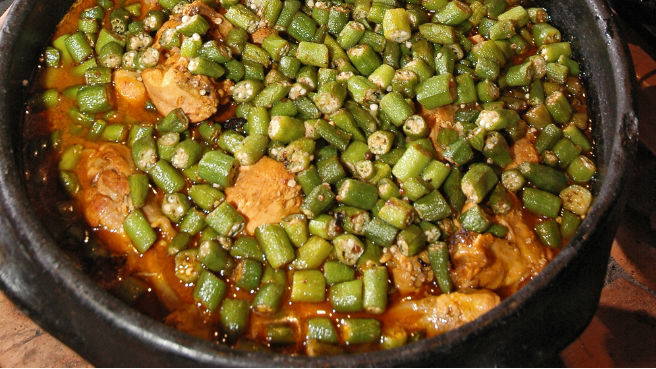
Minas Gerais Cuisine: Chef Explains What Makes the Region’s Dishes So Flavorful

- Notícia
Golden August: the first strategic asset of our lives is breastfeeding.
- Notícia