
Discover the benefits of involving children in food preparation
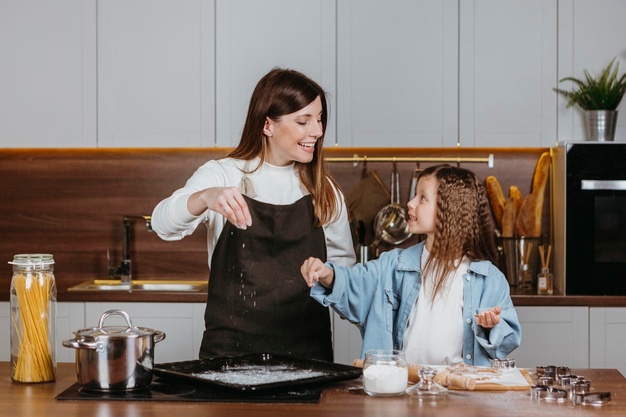
Inviting children to participate in meal preparation can be beneficial for their health and contribute to their development.
October 2021 – According to Brazil’s Ministry of Health, about 3.1 million Brazilian children under the age of 10 are affected by childhood obesity. Experts highlight that involving children in food preparation provides health benefits and encourages the development of new skills and healthy behaviors.
By taking part in cooking activities, children are introduced to a world full of colors, tastes, flavors, textures, and aromas that spark creativity and awareness of healthy foods, helping them adopt good habits. Through a fun and enjoyable experience, they can also gain more confidence and autonomy, which positively influences other aspects of life.
Nutritionist Graciela Vargas, from the Umami Committee – the organization responsible for promoting the fifth taste – explains that when children are invited to participate in food preparation, they become more aware of eating habits, supporting the development of both physical and mental skills.
“Inviting children into the kitchen can help improve focus, motor coordination, organization, and responsibility. Another important factor is that this practice strengthens family bonds, as parents and/or caregivers create gustatory memories through food – a perception passed down through generations that connects affection with cooking,” emphasizes the nutritionist.
Food education is essential for children’s development, and introducing this universe early in life helps them feel safe and part of a space filled with care, affection, and fun. It’s worth noting that such activities should always be supervised by an adult to ensure safety, regardless of age.
To inspire parents and/or caregivers to engage in cooking activities with children, the nutritionist shares a few tips:
Introduce the kitchen environment
How about taking a little tour with the kids to explore the kitchen and introduce them to some utensils and their functions? “Even if they already know the kitchen at home, children will gain a new perspective when you explain what things are and what they’re for. Plus, accompanying them through new discoveries is great fun,” says Graciela.
Make an appealing invitation
Talk about the kitchen as a fun place full of opportunities to explore new textures, flavors, colors, aromas, and tastes. “The goal is to spark wonder so that these family moments become unforgettable. A great tip is to look for different dishes, discover recipes to make together, and include ingredients that provide new experiences, such as foods rich in umami – the fifth basic taste of our palate,” says the Umami Committee nutritionist.
Start with simple activities
Involving children in the kitchen with small, easy tasks makes the experience even more fun. Start by asking for help greasing pans, cracking eggs, sifting flour, or gathering utensils needed for the recipe. “Planning the activity together is key for children to feel part of the process and more interested in learning about food. During the meal, the result of this experience will be both delicious and unforgettable,” concludes Graciela.
UMAMI
It is the fifth basic taste of the human palate, discovered in 1908 by Japanese scientist Kikunae Ikeda. It was scientifically recognized in the year 2000 when researchers from the University of Miami confirmed the existence of specific receptors for this taste on the taste buds. The amino acid glutamic acid and the nucleotides inosinate and guanylate are the main umami substances. The two main characteristics of umami are increased salivation and the lingering taste that lasts for a few minutes after eating. To learn more, visit www.portalumami.com.br.
Discover the benefits of involving children in food preparation
-
Telephone
+55 (11) 3165-9595 / 91665-8665
-
Email
umami@fsb.com.br
Related news
- Notícia
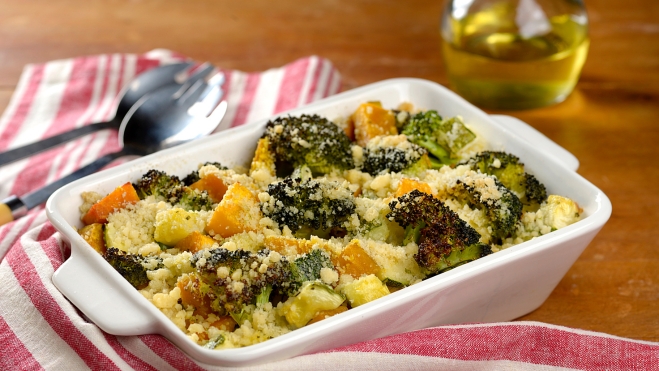
Less Salt, More Umami: Try Flavorful Recipes with Reduced Sodium
- Notícia
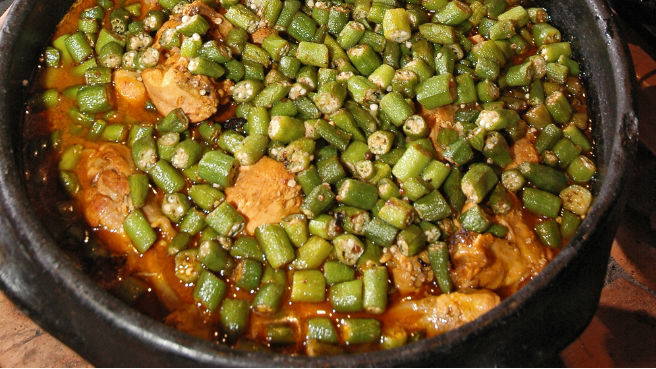
Minas Gerais Cuisine: Chef Explains What Makes the Region’s Dishes So Flavorful

- Notícia
Golden August: the first strategic asset of our lives is breastfeeding.
- Notícia