
Discover tasty foods that help reduce bloating | Press
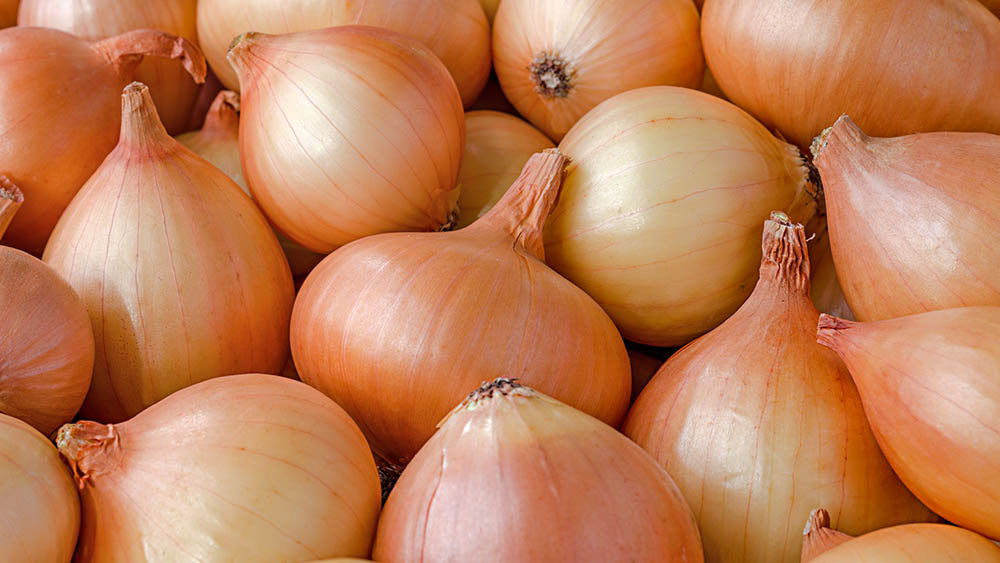
Nutritionist shares tips to beat bloating with simple dietary changes.
August 2018 – Have you ever had that bloated feeling that just won’t go away? The most common cause of this discomfort is fluid retention, which can be triggered by water buildup in the body. Bloating can show up in many ways—throughout the body or only in certain areas like the legs and feet.
According to nutritionist Graciela Vargas, from the Umami Committee, with the right tweaks to your menu it’s possible to fight this discomfort in a simple way. “A balanced diet without excessive sodium, regular physical activity, and proper hydration are crucial both for reducing bloating and for improving quality of life,” she explains.
The specialist notes that some foods that provide the umami taste—such as tomato and onion—have diuretic properties that help decrease bloating, in addition to offering important micronutrients. “Tomatoes are rich in lycopene and also have good amounts of vitamins C, A, and B-complex, as well as minerals such as folic acid, potassium, and calcium. Onions are rich in flavonoids, contain vitamins C and B-complex, and minerals like iron, potassium, sodium, phosphorus, and calcium. These two ingredients make dishes more flavorful and even more umami,” says Graciela, referring to one of the five basic tastes of the human palate, discovered in 1908 by Japanese scientist Kikunae Ikeda.
Another tip is to opt for leaner proteins, such as eggs, low-fat cheeses, and white meats. These foods can act as a natural diuretic, helping the body eliminate excess water. “White meats are sources of omega-3 and omega-6 and contain fatty acids—substances that improve how the body functions and contribute to good nutrition—besides being high-quality protein sources,” Graciela highlights.
The nutritionist stresses that sodium chloride, known as table salt, is widely used in cooking to flavor foods, and that excessive intake is linked to bloating. “In the right amount, salt is a great ally, helping prevent dehydration and maintaining the body’s fluid balance. But when used excessively, it makes the body retain too much fluid,” she says.
One tip to cut back on excessive sodium chloride is to use monosodium glutamate (MSG) to enhance the flavor of meals. Graciela explains that glutamate contains two-thirds less sodium than salt. “To work properly, the portion of MSG should replace half of the portion of salt. For example, if a recipe calls for two teaspoons, use one teaspoon of MSG and one teaspoon of salt, lowering the sodium content without losing flavor.”
#DietitianTip
“To fight bloating, it’s recommended to consume foods rich in water, which increase urine production and reduce fluid retention; rich in fiber, which help reduce bloating and abdominal pain and fight constipation; and probiotics, which help maintain a healthy balance of beneficial gut bacteria.”
UMAMI
It is the fifth basic taste of the human palate, discovered in 1908 by Japanese scientist Kikunae Ikeda. It was scientifically recognized in 2000, when researchers at the University of Miami confirmed the existence of specific receptors for this taste on the taste buds. The amino acid glutamic acid and the nucleotides inosinate and guanylate are the main umami substances. The two main characteristics of umami are increased salivation and the persistence of taste for a few minutes after eating. To learn more, visit www.portalumami.com.br and follow on facebook.com/ogostoumami and instagram.com/ogostoumami.
Discover tasty foods that help reduce bloating | Press
-
Telephone
+55 (11) 3165-9595 / 91665-8665
-
Email
umami@fsb.com.br
Related news
- Notícia
Less Salt, More Umami: Try Flavorful Recipes with Reduced Sodium

- Notícia
Minas Gerais Cuisine: Chef Explains What Makes the Region’s Dishes So Flavorful

- Notícia
Golden August: the first strategic asset of our lives is breastfeeding.

- Notícia