
Did you know these foods are umami? | Press
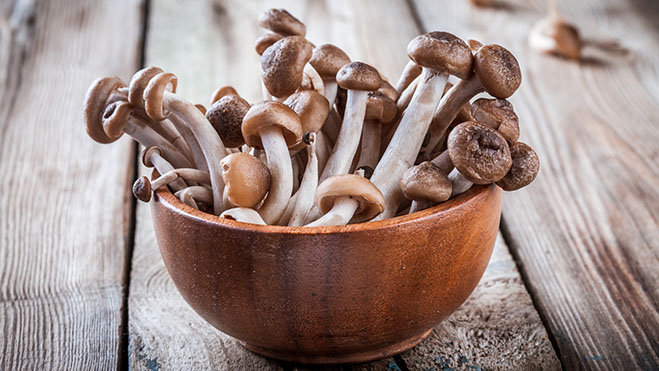
Check out the benefits of the umami taste in everyday meals.
Until recently, many people were still unaware of the existence of umami – which, alongside sweet, salty, sour, and bitter, makes up the list of the five basic tastes of the human palate. What not everyone knows is that this taste with an apparently sophisticated name is present in common everyday foods and provides many health benefits.
Discovered in 1908 by chemist and professor Kikunae Ikeda, the umami taste was only recognized by the scientific community in the early 2000s, when scientists at the University of Miami proved the existence of specific receptors for this taste on the human tongue. The main substances that provide umami are the amino acid glutamate and the nucleotides inosinate and guanylate.
Among the various benefits provided by umami, the main ones are increased salivation and prolonged flavor, characteristics that directly affect food acceptance – especially in children and the elderly.
Check out the list of common everyday umami foods:
1. Tomatoes
Many vegetables have umami in their composition, but the tomato is the ambassador of this taste. The degree of ripeness of the food directly influences the amount of umami present. This happens because the production of the amino acid glutamate increases over time. In other words, the redder the tomato, like cherry tomatoes, the more umami they are!
2. Cheeses
Most protein foods contain umami, and cheeses are no exception. All types strongly provide the taste, especially parmesan. After consuming the food and the salty taste dissipates, it is still possible to feel something lingering on the tongue and a slight increase in salivation. This is the umami taste of cheese.
3. Meats, chicken, and fish
The amino acid glutamate is present in most meats and chicken. Just like cheeses, being protein-rich foods, the perception of umami is very strong in these foods. In the case of fish, the nucleotide inosinate plays this role, providing the main characteristics of the taste.
4. Mushrooms
Most mushrooms – such as button, shimeji, shiitake, and champignon – besides being a source of vitamin B and zinc, provide the umami taste through the amino acid guanylate. On a daily basis, they can be eaten raw, grilled, or blanched, added to risottos, pastas, omelets, or salads.
5. Monosodium glutamate
Monosodium glutamate (MSG) is the flavor enhancer responsible for providing the umami taste. It can be a great ally in reducing salt, since it has only 1/3 of the sodium content compared to table salt. In rice preparation, for example, it is advisable to use half a teaspoon of salt and half of MSG. This way, there is a reduction of up to 37% of sodium, without losing the flavor of the meal.
UMAMI
It is the fifth basic taste of the human palate, discovered in 1908 by Japanese scientist Kikunae Ikeda. It was scientifically recognized in the year 2000, when researchers at the University of Miami confirmed the existence of specific receptors for this taste in the taste buds. The amino acid glutamic acid and the nucleotides inosinate and guanylate are the main Umami substances. The two main characteristics of Umami are the increase in salivation and the continuity of taste for a few minutes after food ingestion.
Did you know these foods are umami? | Press
-
Telephone
+55 (11) 3165-9595 / 91665-8665
-
Email
umami@fsb.com.br
Related news
- Notícia
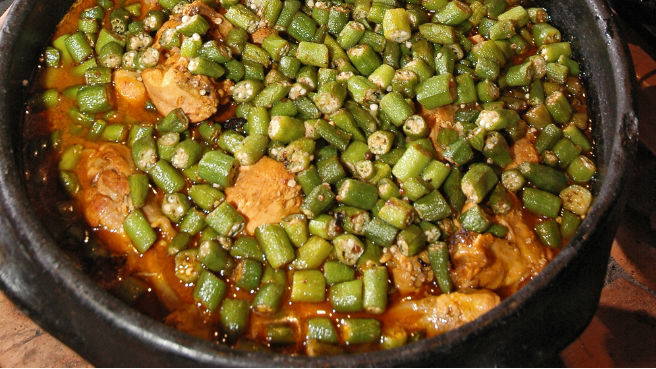
Minas Gerais Cuisine: Chef Explains What Makes the Region’s Dishes So Flavorful

- Notícia
Golden August: the first strategic asset of our lives is breastfeeding.

- Notícia
Easter Sunday: check out five recipes that will awaken the umami taste on this special date

- Notícia