
Did You Know There’s an Umami Day? | Press
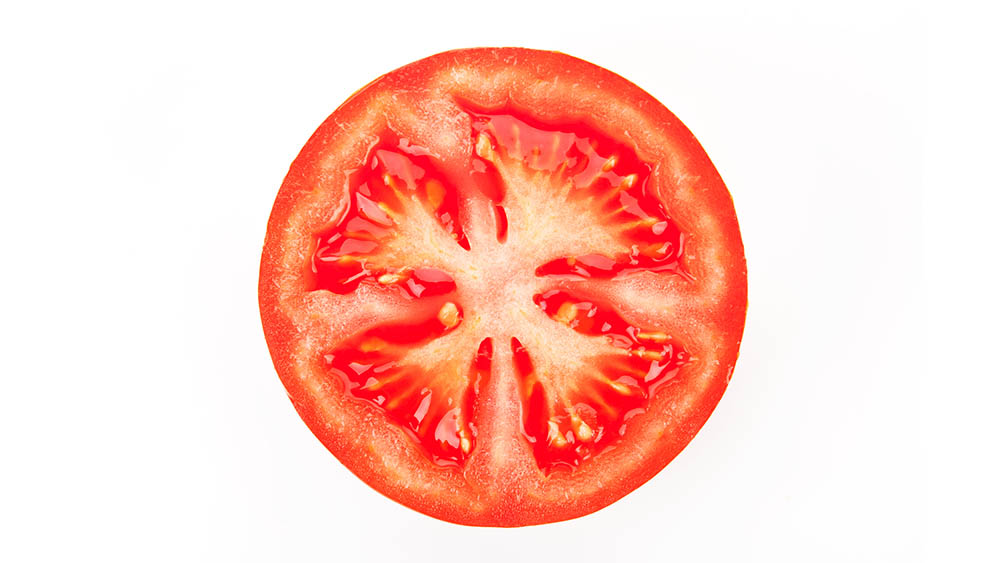
The celebration takes place on July 25 and marks the discovery of the fifth taste.
São Paulo, July 2017 – Many people are still not familiar with umami, the fifth basic taste of the human palate, which means “savory” in Japanese. Even today, it’s more common to associate taste sensations with sweet, salty, sour, and bitter. But unlike these tastes, umami has a special particularity: Umami Day, celebrated every year on July 25. Since understanding the origin of commemorative dates isn’t always easy, the Umami Committee’s nutritionist explains how this celebration was defined.
“Some people think umami has existed for only 15 years, when receptors on the tongue were identified by the scientific community,” says Mariana Rosa, nutritionist at the Umami Committee. However, the shake-up in the world of tastes happened long before 2000—almost a hundred years earlier.
At the beginning of the 20th century, specifically in 1908, Professor and scientist Kikunae Ikeda, while tasting dashi—a traditional Japanese broth made with kombu seaweed and bonito flakes—noticed a taste different from those known until then. After extensive research, he managed to extract glutamic acid (free glutamate) from kombu and became certain that this savory taste really existed and was present in many of the foods he ate daily. “The day the professor concluded his studies—and consequently, umami was discovered—was July 25, 1908, making it 109 years in 2017,” the specialist concludes.
Since then, new research has identified two other substances that provide the fifth taste: the nucleotides inosinate and guanylate. In addition, these studies have confirmed many benefits related to the intake of umami foods, such as improved food acceptance—especially among children and older adults—maintenance of oral hygiene, and support in sodium reduction and protein digestion.
UMAMI
It is the fifth basic taste of the human palate, discovered in 1908 by Japanese scientist Kikunae Ikeda. It was scientifically recognized in 2000, when researchers at the University of Miami confirmed the existence of specific receptors for this taste on the taste buds. The amino acid glutamic acid and the nucleotides inosinate and guanylate are the main umami substances. Two key characteristics of umami are increased salivation and a lingering taste for a few minutes after eating. To learn more, visit portalumami.com.br and follow on social media at facebook.com/GostoUmami and instagram.com/ogostoumami.
Did You Know There’s an Umami Day? | Press
-
Telephone
+55 (11) 3165-9595 / 91665-8665
-
Email
umami@fsb.com.br
Related news
- Notícia
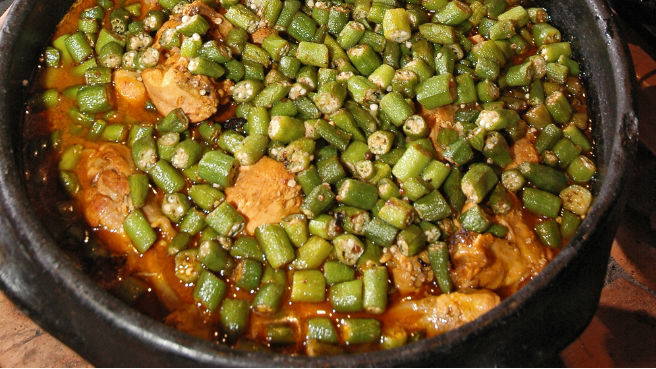
Minas Gerais Cuisine: Chef Explains What Makes the Region’s Dishes So Flavorful

- Notícia
Golden August: the first strategic asset of our lives is breastfeeding.

- Notícia
Easter Sunday: check out five recipes that will awaken the umami taste on this special date

- Notícia