
Curiosity: What tastes do people perceive? | Press
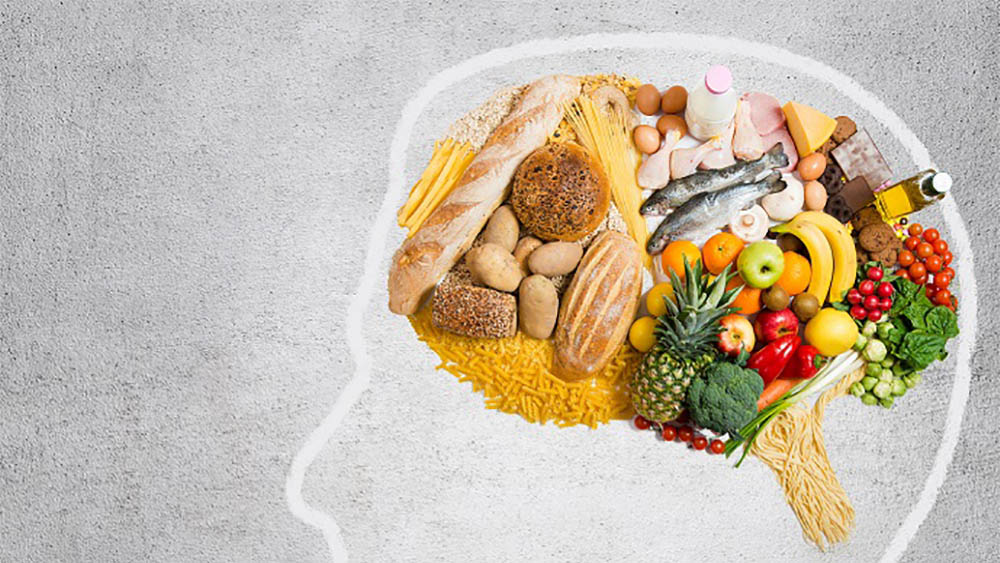
Sweet, salty, sour, bitter, and umami!
December 2018 – “Taste: everyone has their own,” as the saying goes. From that point of view, there are millions of possible “tastes.” But when the definition of this word refers to the palate’s perception, things are a bit different. In that case, the options boil down to the basic quintet: sweet, salty, sour, bitter, and umami. But what exactly is a taste, and how is it sensed by humans?
First of all, it’s important to understand that taste and flavor are different things, as these concepts still cause a lot of confusion. “Taste sensations occur when certain substances come into contact with specific receptors on the tongue and palate,” notes Hellen Maluly, PhD in Food Science at the University of Campinas (Unicamp). “Flavor, on the other hand, is more complex. It’s a blend of senses, especially smell. Cheeses, for example, have salty and umami tastes in common, but the flavors are endless; they will depend on the fermentation process they undergo,” she explains.
Knowing and identifying tastes can help with certain food choices and with deciding what to eat or not. “The palate can adapt over the years. It’s very common for someone to start liking a food that, as a child for example, they used to avoid,” says the doctor. Hellen also explains that sweet, salty, sour, bitter, and umami can be found naturally in foods or even added through certain ingredients to further enhance the flavor of dishes.
To train your senses and taste experiences, check out the tips below:
Sweet
Perhaps the “darling” of the tastes. Sweetness can be perceived in foods containing sugars, such as sucrose—found in white, brown, or demerara sugar—or fructose—found in fruit. This taste can also be perceived via sweeteners like xylitol, aspartame, stevia, among others. “Sweet taste stimulates a sense of pleasure, but it’s important to pay attention to how much is consumed,” warns Hellen Maluly.
Bitter
Foods that contain caffeine, such as coffee and tea, or theobromine, a substance in cocoa, and hops, which can be found in beers, are great options for those who want to savor bitterness. The doctor points out that bitterness is often avoided as a safety mechanism, since many bitter substances are naturally present in plants considered toxic. “Despite the lack of habit in consuming them, these foods—such as vegetables, greens, or even dark chocolate—have excellent nutritional quality,” she explains.
Umami
The amino acid glutamate and the nucleotides inosinate and guanylate are the main substances that provide the umami taste. Hellen explains that Parmesan cheese, tomatoes, mushrooms, and meat in general contain these substances in large amounts and therefore show the fifth taste more prominently. “The two main characteristics of umami are increased salivation and the persistence of a food’s overall flavor for a few minutes after ingestion,” she highlights.
Sour
Sourness is present in acetic acid in vinegar and in ascorbic and citric acids found in citrus fruits. “Ascorbic acid, also known as vitamin C, is essential for the proper functioning of the human body,” the doctor says. Consuming tart fruits rich in this vitamin is related to tissue repair, immune system protection, and aiding iron absorption, among other functions.
Salty
One of the most familiar tastes is salty, provided mainly by sodium. “The human body cannot be deficient in sodium, since this substance helps regulate low blood pressure and the transmission of nerve impulses,” Hellen comments. However, because salt intake is strongly linked to pleasure, it’s important not to overdo it. “Precisely because it’s effective in addressing low blood pressure, excess salt can cause high blood pressure, which in the long term may lead to heart and kidney problems,” she adds.
The best option for health is to keep a variety of tastes and flavors in your diet—something you can achieve by being open to everyday experimentation.
UMAMI
It is the fifth basic taste of the human palate, discovered in 1908 by Japanese scientist Kikunae Ikeda. It was scientifically recognized in 2000, when researchers at the University of Miami confirmed the existence of specific receptors for this taste on the taste buds. The amino acid glutamic acid and the nucleotides inosinate and guanylate are the main umami substances. The two main characteristics of umami are increased salivation and the persistence of taste for a few minutes after eating. To learn more, visit www.portalumami.com.br.
Curiosity: What tastes do people perceive? | Press
-
Telephone
+55 (11) 3165-9595 / 91665-8665
-
Email
umami@fsb.com.br
Related news

- Notícia
Minas Gerais Cuisine: Chef Explains What Makes the Region’s Dishes So Flavorful

- Notícia
Golden August: the first strategic asset of our lives is breastfeeding.

- Notícia
Easter Sunday: check out five recipes that will awaken the umami taste on this special date

- Notícia