
Covid-19: A Varied Diet Can Help in the Recovery of Taste
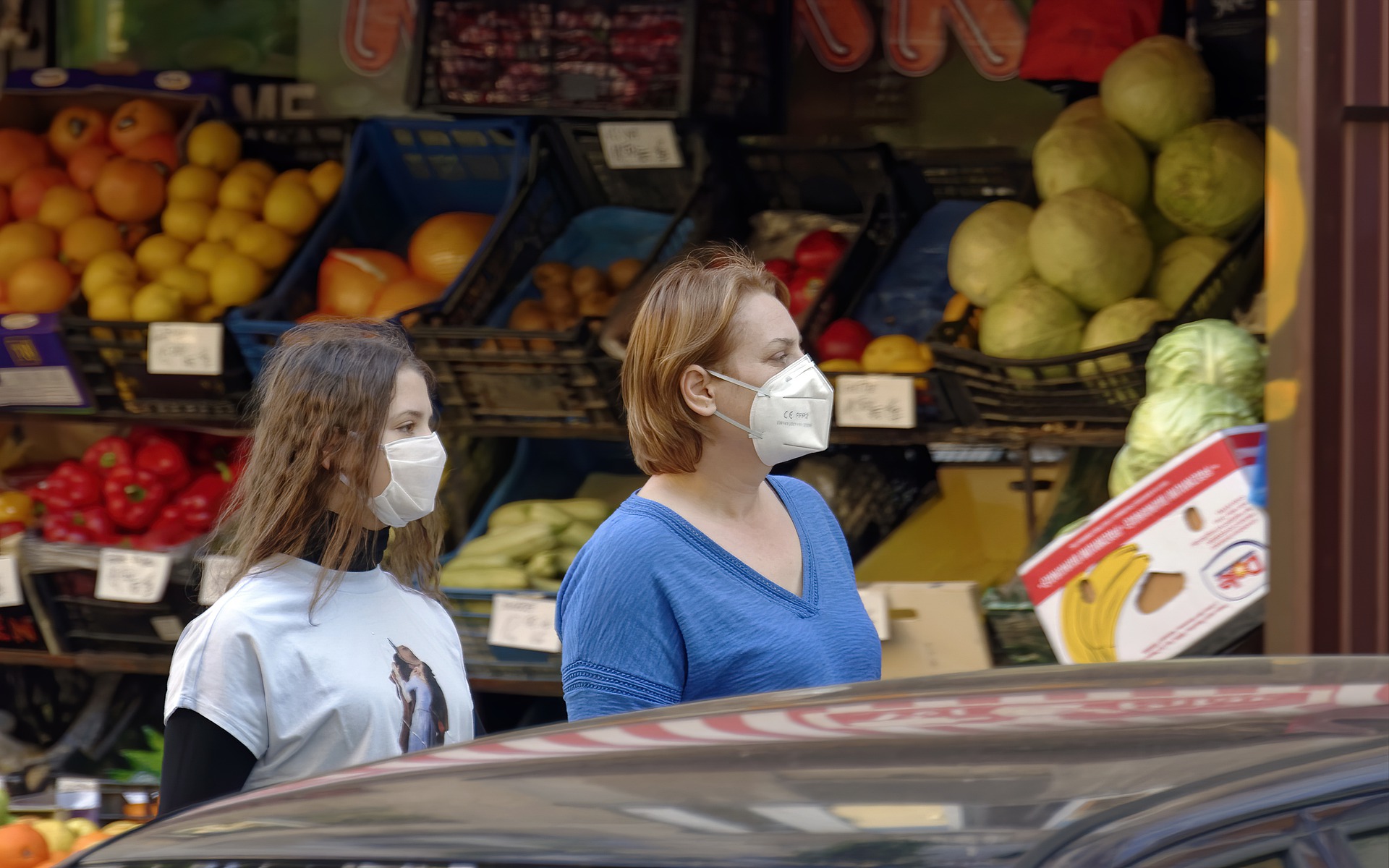
Umami foods can also contribute to nutritional and taste improvement.
November 2020 – A recently published study with Brazilian data by the Monell Center, a scientific institution that brings together specialists from various areas of human health, concluded that 76.2% of people infected with Covid-19 reported taste disorders. Among the interviewees, 52.2% reported distortions in taste perception regarding the five basic tastes (sweet, salty, sour, bitter, and umami). According to the research, only 5% of patients permanently lost their sense of taste.
According to Dr. Hellen Maluly, PhD in Food Science, the loss of taste caused by the new coronavirus is usually sudden, and it is necessary to stimulate the taste buds to avoid greater consequences. “Taste buds have receptors for the basic tastes—sweet, salty, bitter, sour, and umami—in their cells. Each receptor can receive a stimulus for the different tastes, which allows the gustatory mechanisms to be reactivated. In cases of sudden taste loss, the regeneration of receptor cells may take around two weeks, and during this period, varying the diet can help recovery to be faster,” she emphasizes.
In this regard, the doctor highlights the importance of consuming foods that increase salivary secretion. “Umami foods, for example, stimulate taste receptors for a longer period, and these same stimuli can activate the salivary glands to produce saliva. Salivation is extremely important, as it facilitates swallowing, dilutes food aromas, and contributes to greater food acceptance,” she explains.
Hellen also concludes that the ideal is to vary foods and try all tastes, including bitter, which is usually rejected by some people. “Including umami foods in meals is not a difficult task. In addition to providing more flavor to preparations, these ingredients allow the creation of light, balanced, and nutritious dishes, since most options are rich in proteins and amino acids. Great options are meats, fish, vegetables, and legumes such as carrots, tomatoes, corn, peas, and asparagus,” she advises. “Other classic examples of foods containing umami are mushrooms, which can be used in different everyday recipes such as soups, salads, and pies, making them even more delicious,” she concludes.
UMAMI
It is the fifth basic taste of the human palate, discovered in 1908 by Japanese scientist Kikunae Ikeda. It was scientifically recognized in 2000, when researchers at the University of Miami confirmed the existence of specific receptors for this taste in the taste buds. The amino acid glutamic acid and the nucleotides inosinate and guanylate are the main umami substances. The two main characteristics of umami are increased salivation and the persistence of taste for a few minutes after ingestion. To learn more, visit www.portalumami.com.br.
Covid-19: A Varied Diet Can Help in the Recovery of Taste
-
Telephone
+55 (11) 3165-9595 / 91665-8665
-
Email
umami@fsb.com.br
Related news
- Notícia
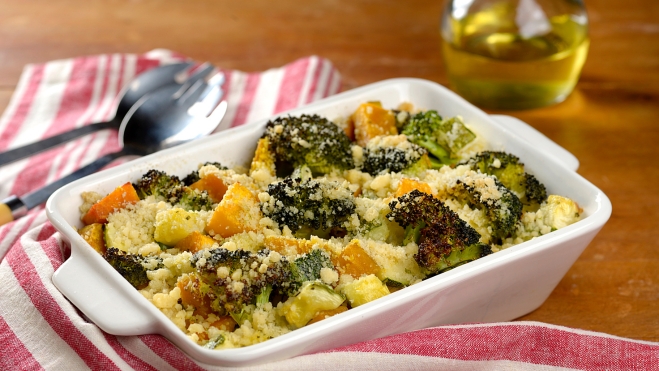
Less Salt, More Umami: Try Flavorful Recipes with Reduced Sodium
- Notícia
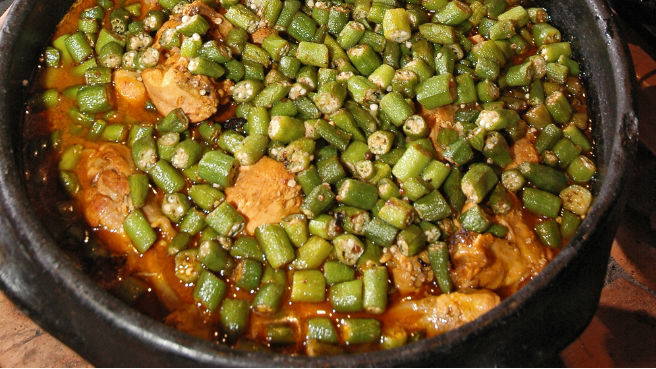
Minas Gerais Cuisine: Chef Explains What Makes the Region’s Dishes So Flavorful

- Notícia
Golden August: the first strategic asset of our lives is breastfeeding.
- Notícia