
Chef suggests 7 tasty dishes around the world | Press
Lisiane Miura explains the common characteristic shared by the ingredients used.
November 2018 – Without a doubt, gastronomy is one of the most striking features of any region, and the preparation of each dish can reflect the traditions and culture of a given place. Despite their unique and distinct characteristics, delicacies from around the world can please many palates and become internationally known.
Chef and nutritionist for the Umami Committee, Lisiane Miura, explains that this wide acceptance happens thanks to the choice of foods that make up each recipe. “Many delicious preparations from all over the world use ingredients that provide umami, the fifth basic taste of the human palate,” she says.
Tomatoes, cheeses, corn, and beef and pork are traditional examples of umami foods. “Umami is present in all world cuisines. When we try a typical dish, we notice umami through increased salivation and the lingering of that taste in the mouth,” Lisiane points out.
Check out the list below of typical dishes and take a trip around the world!
Brazil
There’s umami in many Brazilian classics such as feijoada, vatapá, bobó de camarão, acarajé, baião de dois, pato no tucupi, empadão goiano, and churrasco—traditional preparations that are national favorites. There are so many options it’s hard to pick just one.
Spain
Sampling regional food is an essential part of any trip and a delicious way to connect with a new culture. Also known as Spanish stew, Puchero is a recipe that uses foods rich in umami. The mix of pork and beef is mouthwatering!
Portugal
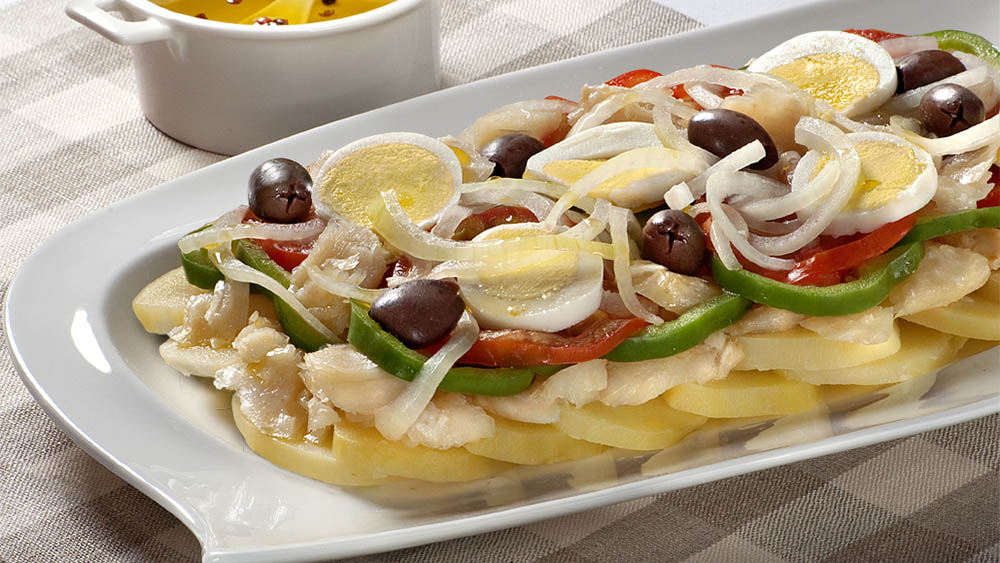
A classic ingredient in Portuguese cuisine, cod was popularized in the 15th century. Today it’s known as the Portuguese “faithful friend”; the traditional bacalhoada features umami foods such as tomato, onion, eggs, potatoes, and of course the cod itself.
Switzerland
Originating in Switzerland during World War II, fondue was created by dairy farmers who used leftover products to make this simple, tasty, warming dish—perfect for the region’s harsh winters. Besides being delicious, cheese is very versatile and provides the umami taste.
Italy
Across Europe—especially in Italy—cheeses and tomato sauce, both rich in umami, are part of daily eating habits. You’ll find this perfect pairing in a plate of pasta, which is not only very flavorful but also a great choice for a typically European meal.
Japan
Sushi, combining fish and rice, arose in Japanese cuisine from the need to store raw fish. Cooked rice helps preserve the fish for more days by releasing acetic and lactic acids. The delicacy as we know it today was shaped by the cook Hanaya Yohei and, after becoming popular, evolved to include seaweed.
United States
Hamburger, beloved in many nations, is traditionally said to have taken hold in the United States. But Americans didn’t invent the combo of bread and ground-beef patty—the idea came with German immigrants arriving from the Port of Hamburg in the late 19th century. In addition to the meats used for the patties, toppings like cheese and tomato also provide the umami taste.
UMAMI
It is the fifth basic taste of the human palate, discovered in 1908 by Japanese scientist Kikunae Ikeda. It was scientifically recognized in 2000, when researchers at the University of Miami confirmed the existence of specific receptors for this taste on the taste buds. The amino acid glutamic acid and the nucleotides inosinate and guanylate are the main umami substances. The two main characteristics of umami are increased salivation and the persistence of taste for a few minutes after eating. To learn more, visit www.portalumami.com.br and follow on facebook.com/ogostoumami and instagram.com/ogostoumami.
Chef suggests 7 tasty dishes around the world | Press
-
Telephone
+55 (11) 3165-9595 / 91665-8665
-
Email
umami@fsb.com.br
Related news
- Notícia
Minas Gerais Cuisine: Chef Explains What Makes the Region’s Dishes So Flavorful

- Notícia
Golden August: the first strategic asset of our lives is breastfeeding.

- Notícia
Easter Sunday: check out five recipes that will awaken the umami taste on this special date

- Notícia