
Brain and Taste Memories: The Perception of Flavors | Press

São Paulo, April 2016 – Passing down culinary knowledge across generations is one of the main ways to preserve a culture. Foods that enhance flavor are the most successful in this endeavor—just consider the longevity of ancient Eastern cuisine, rich in peppers, garlic, and spices, among others.
Other protagonists in the story of flavors are umami-rich foods such as sun-dried tomatoes, mushrooms, and cheeses. Present in dishes developed by various civilizations, they ensure prolonged flavor and increased salivation, playing an important role in maintaining health.
But why do some flavors manage to stick in memory and remain alive for centuries in certain cultures? First of all, it’s important to highlight the role of taste cells, which are responsible for identifying flavors and sending electrical signals to the central nervous system. These stimuli spread through the brain and produce sensations such as pleasure, aversion, or memories associated with certain tastes.
In this context, Dr. Ivan Araújo, PhD in Neurophysiology from Oxford University, points out that part of the longevity of certain culinary habits is linked to experiences and connections between food and pleasant situations. “The so-called ‘taste memories’ occur when one of the five basic tastes (sweet, salty, sour, bitter, and umami) produces a particularly strong sensory effect, especially when combined with other substances.” This is exactly what happens with umami foods, which promote the combination of glutamate and other compounds that produce the fifth taste.
This process enhances the beneficial intake of amino acids essential to biological functions, including those in the brain. The activity involves the orbital cortex—responsible for coordinating emotions—and the primary gustatory cortex, which governs taste and the storage of taste memories.
Glutamate in the Brain
The difference between glutamate produced by the human body (glutamic acid) and added glutamate (monosodium glutamate) is one of the most common questions regarding amino acid production and brain consumption. To begin with, it’s important to understand that glutamic acid is the main excitatory neurotransmitter in the central nervous system (CNS), produced by a large number of brain cells and released at synapses. In other words, the transmission of glutamate between neurons occurs during any routine CNS activity such as vision, hearing, or movement. “This action is independent of the ingestion of monosodium glutamate, as this additive rarely crosses the blood–brain barrier, the structure responsible for protecting the CNS from chemicals present in the bloodstream,” explains Dr. Araújo.
Monosodium glutamate (MSG), in turn, is the sodium salt of glutamic acid and, in Brazil, is produced through the fermentation of sugarcane—a process similar to that used to make yogurt, beer, wine, and bread. Although they come from different sources, both glutamic acid and MSG are sources of free glutamate and are metabolized in the same way by the human body. While MSG does not affect brain function, its ingestion can contribute to the proper functioning of the digestive system (mouth, stomach, and intestines).
UMAMI
It is the fifth basic taste of the human palate, discovered in 1908 by Japanese scientist Kikunae Ikeda. It was scientifically recognized in 2000 when researchers at the University of Miami confirmed the existence of specific receptors for this taste on the taste buds. The amino acid glutamic acid and the nucleotides inosinate and guanylate are the main Umami substances. The two main characteristics of Umami are increased salivation and the continuation of the taste for a few minutes after eating. To learn more, visit portalumami.com.br
UMAMI COMMITTEE
The Umami Committee Brazil discusses and promotes topics related to the fifth taste. The Committee has a direct relationship with the Umami Information Center (UIC), a non-profit organization dedicated to research on the subject. To learn more, visit umamiinfo.com.
Brain and Taste Memories: The Perception of Flavors | Press
-
Telephone
+55 (11) 3165-9595 / 91665-8665
-
Email
umami@fsb.com.br
Related news

- Notícia
Less Salt, More Umami: Try Flavorful Recipes with Reduced Sodium
- Notícia
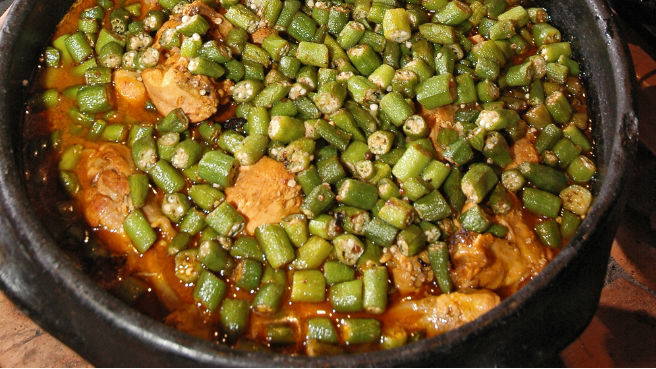
Minas Gerais Cuisine: Chef Explains What Makes the Region’s Dishes So Flavorful

- Notícia
Golden August: the first strategic asset of our lives is breastfeeding.
- Notícia