
Back to School: Is it possible to pack a healthy and tasty lunchbox? | Press

Nutritionist shows how to vary the menu and ensure lots of flavor for kids.
January 2019 – With the end of vacation, families face a common challenge: what to put in the kids’ lunchbox? In addition to parents’ dozens of concerns—like school supplies and uniforms—organizing a lunchbox that’s both healthy and tasty can be tricky.
Nutritionist Graciela Vargas, from the Umami Committee—an organization responsible for promoting the fifth taste—says that preparing a meal that’s balanced and appealing to children requires attention. For her, betting on certain combinations of foods ensures nutrients in the right proportions for a child’s development. “The ideal plate should include sources of carbohydrate, protein, and fat, as well as micronutrients found in vegetables, greens, and fruits,” she explains.
To help with this mission, Graciela listed four important tips. Check them out!
Focus on organization
As school routines resume, organization is essential. The specialist explains that making a list of foods helps at shopping time and prevents repeating items throughout the week. “With daily rush, it’s not always possible to prepare nutritious meals, so keeping a varied stock can be a great option for planning the menu,” the nutritionist points out.
Bet on creative dishes
Preparing colorful, fun dishes can be a great choice when packing the lunchbox. “Serving food cut into shapes or little designs can make mealtimes more fun and light. Get creative. Make little broccoli ‘trees’ and star-shaped carambola, for example,” she highlights.
Stimulate the palate
Introducing new foods to children can often be challenging. Graciela explains that the secret is encouraging kids to get to know and try the five tastes of the human palate—umami, sweet, salty, sour, and bitter. “Recognizing different tastes helps children get used to a varied diet. It’s important to know that introducing something new—whether a taste, food, or texture—should be gradual, and offerings should be repeated many times until the child accepts them gently and pleasantly,” she says.
Combine ingredients
Combining the right ingredients can make meals more appealing. Choosing foods that provide the umami taste, such as tomatoes, carrots, corn, and cheese, can improve children’s acceptance of meals. Graciela explains that umami foods pair easily with other tastes and make dishes more attractive. “An arugula salad might seem boring to kids. But try adding some cherry tomatoes and a few kernels of cooked corn. There you go! It becomes colorful and much more nutritious,” she illustrates.
Hands-on
Feeding challenges with little ones—regardless of age—can be a common issue for parents and educators. “Getting them involved in meal prep increases the chance they’ll want to try the final result. It’s a great opportunity to introduce a variety of tastes, flavors, and textures. And of course, it’ll be a lot of fun,” the specialist concludes.
UMAMI
It is the fifth basic taste of the human palate, discovered in 1908 by Japanese scientist Kikunae Ikeda. It was scientifically recognized in 2000, when researchers at the University of Miami confirmed the existence of specific receptors for this taste on the taste buds. The amino acid glutamic acid and the nucleotides inosinate and guanylate are the main umami substances. The two main characteristics of umami are increased salivation and the continuation of taste for a few minutes after eating. To learn more, visit www.portalumami.com.br.
Back to School: Is it possible to pack a healthy and tasty lunchbox? | Press
-
Telephone
+55 (11) 3165-9595 / 91665-8665
-
Email
umami@fsb.com.br
Related news
- Notícia
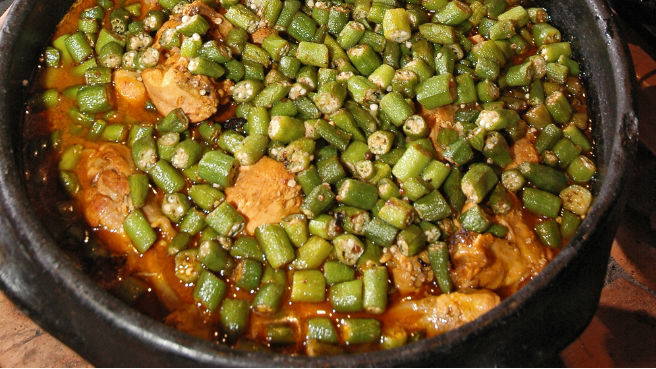
Minas Gerais Cuisine: Chef Explains What Makes the Region’s Dishes So Flavorful

- Notícia
Golden August: the first strategic asset of our lives is breastfeeding.
- Notícia
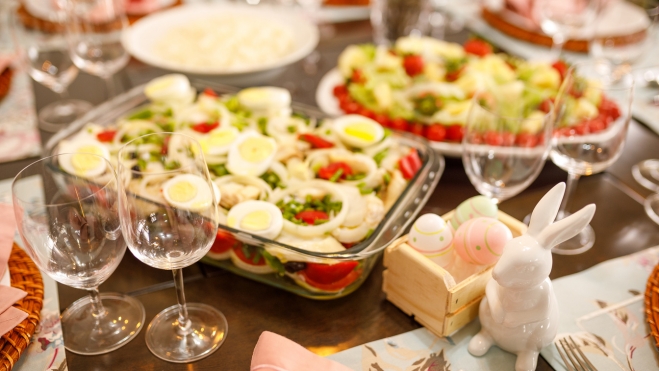
Easter Sunday: check out five recipes that will awaken the umami taste on this special date

- Notícia