
5 Essential Steps to Help Your Child Eat Better
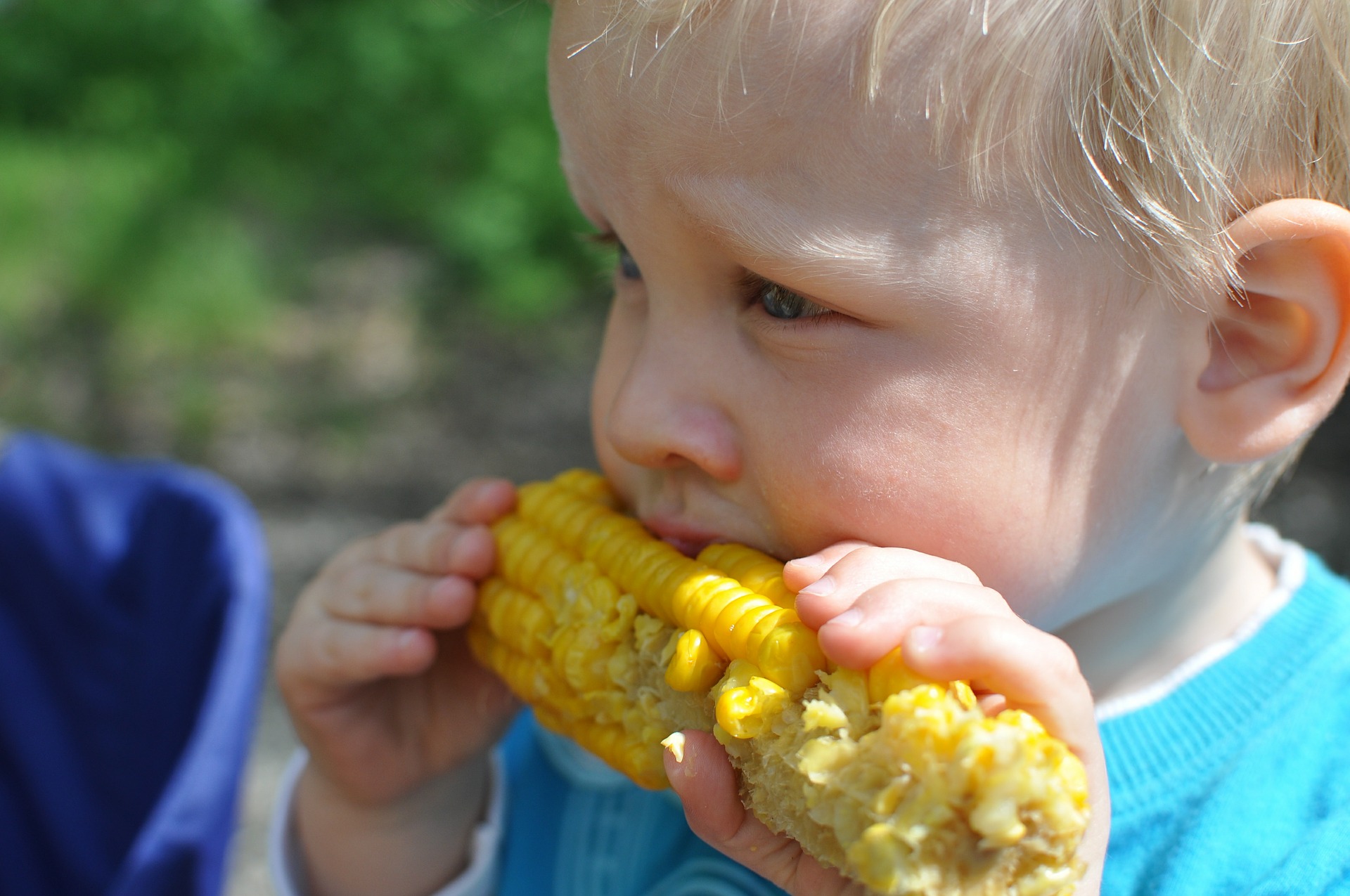
October 2020 – It is very common for children, during the nutritional development phase and food introduction, to have difficulties and even fears about trying new tastes, flavors, and textures.
The fear of trying new foods is known as food neophobia, which should be identified and addressed quickly to avoid nutritional deficiencies. However, during this stage, the famous tantrums at mealtimes may occur if certain foods or groups of foods are served.
According to Dr. Sonia Tucunduva Philippi, researcher and associate professor at the School of Public Health at USP and partner of the Umami Committee, it is natural for these rejections to occur since children are selective and their palate is still being developed. “You must insist on offering and reintroduce the refused food at another opportunity, without giving up,” she emphasizes. “Remember that there are both food preferences and aversions, and both situations should be handled with patience, considering the child’s appetite fluctuations and timing,” she adds.
To help in this process, the professor lists some essential steps to assist and ease the adaptation period to food, ensuring nutritional balance.
Play with Presentation on the Plate
The researcher explains that proper childhood nutrition requires attention to sensory aspects, especially visual presentation, such as colors, attractive shapes, and preparation styles. “It is essential that the plate includes vegetables, greens, and fruits, respecting the child’s favorites. You can even invest in creative shapes. For example, take a boiled egg, cut it in half, add two chia seeds as eyes and an apricot as a beak—voilà, you have a little chick.”
Pay Attention to Reactions
Dr. Sonia states that it is important to pay attention to the child’s behavior when offered each food. “These are developmental moments in which reactions should be observed, from meal preparation, portion sizes, eating autonomy, utensils used, and type of food,” she warns.
Share Similar Habits
The responsible adult automatically becomes a behavioral reference for the child, who reflects the eating patterns at home. “These habits are built in childhood, and the family must establish rules of coexistence, setting limits on meal frequency but without authoritarian measures, prohibitions, or punishments. At a certain age, they will start to build their food identity, making room for their favorites, and parents and caregivers need to work positively on possible neophobias and the creation of a healthy eating pattern,” adds Professor Sonia.
Include Flavorful Ingredients
The sensory cells in the mouth send signals to the brain, responsible for registering different tastes such as sweet, salty, sour, bitter, and umami. The researcher highlights that some children have a very sharp and selective palate. “Some like combined tastes, such as sweet and salty. Therefore, introducing other tastes like umami, which enhances the flavor of foods, is a great way to stimulate the palate,” she points out. “Pairing the right foods can be an excellent strategy to make the plate more appealing. Try this: offer curly lettuce and add umami options such as cherry tomatoes, cooked corn, button mushrooms, or grated parmesan cheese. Besides being colorful, it becomes much more flavorful,” she exemplifies.
Invite Them to Get Hands-On
Involving children in recipe preparation can help them develop more interest in food. “When children participate in family cooking, they have better chances of developing healthy eating habits, as well as motivation to eat what they themselves chose, bought, and prepared,” advises Tucunduva. “They also become capable of paying attention to several things at once, developing reasoning skills such as cause and effect, classification, reclassification, generalization, and adopting these as eating habits.”
And What if the Child Still Has a Constant Lack of Appetite?
Dr. Sonia emphasizes that lack of appetite should not be constant if other morbidities are ruled out. Therefore, regular follow-up with a pediatrician and nutritionist is necessary to monitor growth and development.
UMAMI
It is the fifth basic taste of the human palate, discovered in 1908 by Japanese scientist Kikunae Ikeda. It was scientifically recognized in 2000, when researchers at the University of Miami confirmed the existence of specific receptors for this taste in the taste buds. The amino acid glutamic acid and the nucleotides inosinate and guanylate are the main umami substances. The two main characteristics of umami are increased salivation and the persistence of taste for a few minutes after ingestion. To learn more, visit www.portalumami.com.br.
5 Essential Steps to Help Your Child Eat Better
-
Telephone
+55 (11) 3165-9595 / 91665-8665
-
Email
umami@fsb.com.br
Related news

- Notícia
Less Salt, More Umami: Try Flavorful Recipes with Reduced Sodium

- Notícia
Minas Gerais Cuisine: Chef Explains What Makes the Region’s Dishes So Flavorful

- Notícia
Golden August: the first strategic asset of our lives is breastfeeding.

- Notícia