
4 types of foods that are good for sleep you didn’t know about
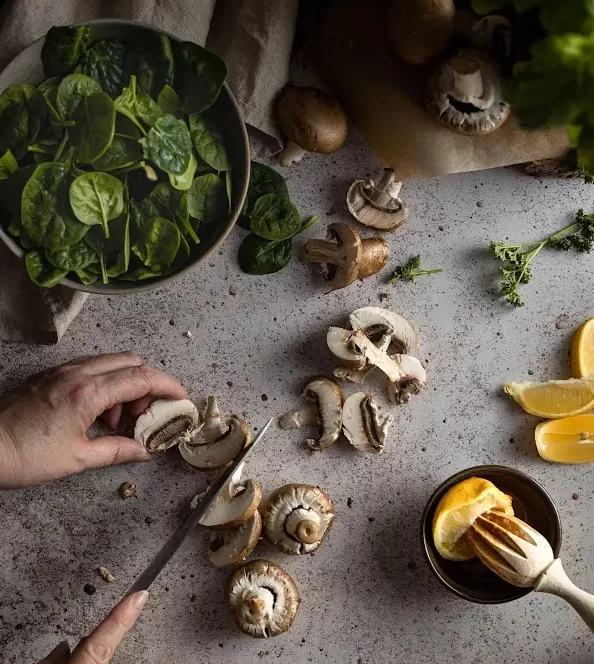
Credits: Pexels
Learn about the types of foods that help during the rest process
São Paulo, October 2022 – Eating well before going to bed provides healthy stimuli for the body. The benefits influence metabolic and body weight control, improve cognitive capacity, and affect emotional well-being by producing mood hormones that release that feeling of happiness upon waking. Although sleep is a multifactorial and complex process, studies show that maintaining good dietary habits influences the quality of rest.
The medical-nutritional community recommends eating light meals up to 2 hours before lying down and resting between 6 and 8 uninterrupted hours per day. A study on the effects of sleep deprivation on food intake, conducted by the University of Porto in 2017, indicates that abrupt changes in sleeping schedules interfere with biological functions, often accompanied by complaints of drowsiness, attention deficits, and difficulty concentrating.
According to Marilia Zagato, nutritionist at the Umami Committee, the group responsible for disseminating information about umami — known as the fifth basic taste of the palate — maintaining a balanced diet helps improve rest. “Adding dark green leaves, such as spinach and kale, to dinner can be a great advantage since they contain magnesium and potassium, both nutrients that can contribute positively to sleep,” she explains.
Eating fish such as salmon and tuna provides vitamin D, fatty acids, and omega-3, in addition to essential proteins for the body. “These foods help promote healthy rest and offer umami taste, a powerful ally in food acceptance, especially for children and the elderly,” Marilia adds.
To better understand how food influences sleep, here are four types of foods that help improve sleep quality.
-
-
-
-
- Vegetables and Greens
Having a meal that includes a salad made of vegetables and greens helps satisfy hunger in a light way. Try mixing different colors on your plate, such as carrot and beetroot, along with dark green vegetables, providing a mix of nutrients that contribute to better sleep. - Nuts (pistachios, hazelnuts, almonds)
Nuts such as pistachios, hazelnuts, and almonds are sources of phytomelatonin, substances that have a positive impact on sleep. - Fruits
Fruits contain nutrients that can help ensure a peaceful night’s sleep. Bananas, for example, contain magnesium and potassium which, like dark green vegetables, can contribute to sleep. Red fruits such as strawberries, grapes, and cherries contain melatonin, a substance also produced by our body and responsible for sleep and rest processes. - Fish, Eggs, and Dairy
These foods contain tryptophan, an amino acid that is a precursor to serotonin and melatonin, also known as the “happiness hormones.” Milk, for instance, can help when trying to sleep and also relieves stress. Another dairy product is yogurt, especially those containing probiotics, as they also support intestinal microbiota. For those choosing to have dinner, the recommendation is to opt for lighter foods, such as fish or eggs, which, in addition to tryptophan, also contain melatonin.
- Vegetables and Greens
-
-
-
UMAMI
It is the fifth basic taste of the human palate, discovered in 1908 by Japanese scientist Kikunae Ikeda. It was scientifically recognized in 2000, when researchers at the University of Miami confirmed the existence of specific receptors for this taste in the taste buds. The amino acid glutamic acid and the nucleotides inosinate and guanylate are the main umami substances. The two main characteristics of umami are increased salivation and the continuation of taste for a few minutes after food intake. To learn more, visit www.portalumami.com.br.
4 types of foods that are good for sleep you didn’t know about
-
Telephone
+55 (11) 3165-9595 / 91665-8665
-
Email
umami@fsb.com.br
Related news
- Notícia
Less Salt, More Umami: Try Flavorful Recipes with Reduced Sodium
- Notícia
Minas Gerais Cuisine: Chef Explains What Makes the Region’s Dishes So Flavorful

- Notícia
Golden August: the first strategic asset of our lives is breastfeeding.

- Notícia