
4 reasons to add umami to your menu | Press
Far beyond the pleasure provided by its taste, umami can be a great ally for your health.
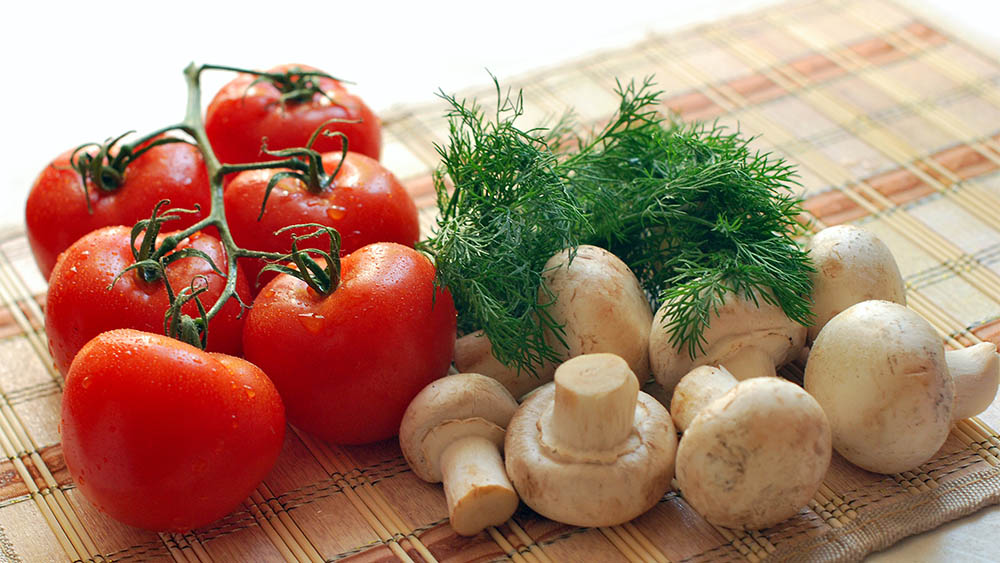
November 2018 – Meat, tomato, corn, and mushrooms are some extremely tasty foods common in people’s diets and rich in glutamate, the main amino acid that provides umami, the fifth basic taste of the human palate. But did you know that, beyond flavor, there are several benefits to including these umami-tasting ingredients in your menu?
Graciela Vargas, a nutritionist with the Umami Committee, explains that umami plays an important role in the palatability of foods. “It’s responsible for filling out the palate after food intake, making the sensation more prolonged and harmonious,” she points out.
In addition to the lingering taste in the mouth, there are more reasons—selected by the nutritionist—for you to make your meals even more umami.
1 – Aids food acceptance
The umami taste is responsible for greater palatability, and two factors help with acceptance: it balances the perception of the other tastes, making the final preparation more harmonious, and it increases salivation, which facilitates chewing and swallowing. These factors are important for older adults, who tend to experience a drier mouth at this stage of life.
2 – An ally to your diet
Studies suggest that consuming preparations containing umami ingredients can help with digestion and also with choosing healthier foods or meals. This was shown when women prone to weight gain had umami soups before meals. “You can try this in your daily life. Have a salad with tomatoes, peas, corn, or even a soup or dashi broth (made with kombu seaweed) about 15 minutes before the main course. You’ll be more likely to feel satiated, and your digestion—which starts in the mouth with increased salivation—will improve,” the nutritionist suggests.
3 – Can be present at every meal
Have you ever imagined planning a fully umami menu for your day? Variation is possible thanks to the many foods that contain a certain concentration of free glutamate. Corn, for example, can be used at breakfast in cakes, bread, or even boiled. Lunch and dinner can feature meats, tomatoes, and other vegetables.
4 – Helps reduce sodium
Using monosodium glutamate, in addition to providing the umami taste, can reduce the sodium content of a preparation by up to 37%. This tip is useful for everyone, since, according to the World Health Organization (WHO), Brazilians’ average sodium intake is twice the recommended amount.
UMAMI
It is the fifth basic taste of the human palate, discovered in 1908 by Japanese scientist Kikunae Ikeda. It was scientifically recognized in 2000, when researchers at the University of Miami confirmed the existence of specific receptors for this taste on the taste buds. The amino acid glutamic acid and the nucleotides inosinate and guanylate are the main umami substances. The two main characteristics of umami are increased salivation and the persistence of taste for a few minutes after eating. To learn more, visit www.portalumami.com.br and also follow on facebook.com/gostoumami and instagram.com/ogostoumami.
4 reasons to add umami to your menu | Press
-
Telephone
+55 (11) 3165-9595 / 91665-8665
-
Email
umami@fsb.com.br
Related news

- Notícia
Minas Gerais Cuisine: Chef Explains What Makes the Region’s Dishes So Flavorful

- Notícia
Golden August: the first strategic asset of our lives is breastfeeding.

- Notícia
Easter Sunday: check out five recipes that will awaken the umami taste on this special date

- Notícia