

10 facts about glutamate and MSG
We’ve gathered 10 quick and surprising curiosities about the topic! Come discover what you might not yet know about glutamate and MSG!

Umami is one of the first tastes we experience, since glutamate is the amino acid most abundant in breast milk.
See what a specialist has to say
See what a specialist has to say
Breast milk—the most important food during infant development—changes its composition according to the nutritional needs of the infant. The concentrations of free ‘non-essential amino acids’ in breast milk increase in the postpartum period. We have shown that one of the most abundant free amino acids in colostrum, transitional, and mature milk is glutamate. There are high concentrations of glutamate in the milk of infants who exhibit better growth. Glutamate in breast milk is important for infant growth.”

Dr. Manuel E. Baldeón, General physician and PhD in Immunology and Nutrition. Professor at the School of Medicine, Universidad Internacional del Ecuador.


As we age, we lose some taste and smell. Many older adults experience reduced appetite, but studies show that introducing monosodium glutamate into the diet enhances flavors and can help improve this situation.

Monosodium glutamate acts as a flavor enhancer. Through it, you can perceive the purest umami taste.

MSG consumption is safe. Numerous studies by renowned scientists and multiple regulatory agencies around the world attest to its safety.
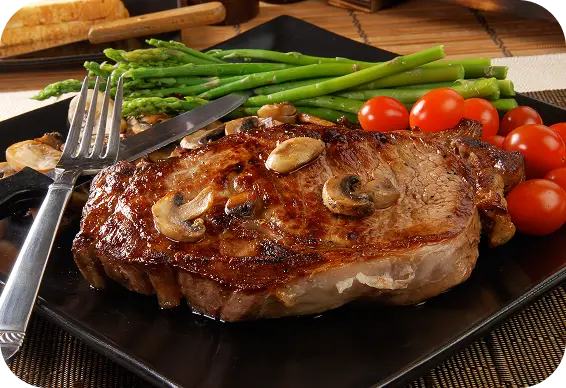

Foods rich in amino acids specially glutamate and nucleotides have an umami taste. Examples include beef, chicken, seaweed, tomato, asparagus, mushrooms, Parmesan cheese, and some processed products.

The amino acid glutamate confers the umami taste! Two key characteristics of umami are a longer-lasting savory sensation in the mouth and increased salivation.

In our diet, we may consume between 10 and 20 g of glutamate per day. Of this amount, only about 1 g comes from added MSG (monosodium glutamate).

Besides being the amino acid that provides umami, glutamate is also produced naturally by our bodies. This “endogenous” type differs from the glutamate found in foods and MSG. In this case, glutamate acts as a brain neurotransmitter, helping communication between neurons and functions such as memory and learning.
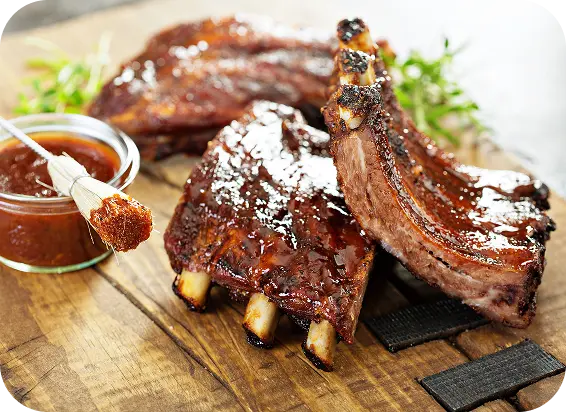

Around the world, traditional dishes and seasonings feature umami. In Brazil, for example, it’s in barbecue; in the United States, in barbecue sauce; in Peru, in charqui (dried alpaca meat). To bring umami to your dishes, you can use foods rich in glutamate or add MSG.

Replacing half the salt in a recipe with MSG not only brings umami, it also reduces sodium intake. A small amount of MSG in preparations can already enhance flavor and deliver umami.
Scientific Materials

- Articles
Umami Taste and Breastfeeding in the First Months of Life

- Articles
The Importance of Glutamate and Glutamine for the Infant Gut

- Articles
The Behavior of Glutamate in the Gastrointestinal Tract
- Articles