

Umami-rich foods
Umami is present in every meal of your day-to-day life—from seafood to meats, eggs, and vegetables. See examples of where you can find the fifth taste!
Foods containing glutamate, inosinate, and guanylate are champions when it comes to flavor! These substances awaken the umami taste on our palate and are found in many everyday ingredients, such as cheeses, tomatoes, mushrooms, meats, and seafood. Umami intensity may vary according to food type and seasonality, but one thing is certain: there’s umami in many foods and preparations!
Check out the examples of umami foods we’ve listed!
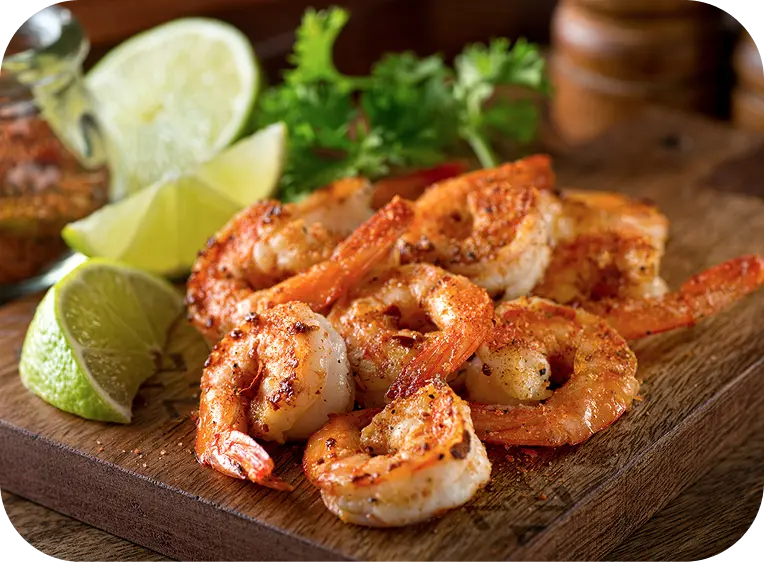
Fish, shellfish, and seaweeds
Fish, shellfish, and seaweeds
Glutamate and inosinate are some of the substances found in fish and other seafood. In kombu seaweed, for example, naturally occurring glutamate is high. In shrimp, the combination of glutamate and inosinate enhances the umami taste even more.
| Glutamate level (mg/100g) | Inosinate level (mg/100g) | Guanylate level (mg/100g) | |
|---|---|---|---|
| Kombu | 240 to 3.380 | – | – |
| Nori | 170 to 1350 | 1 to 40 | 3 to 80 |
| Shrimp | 120 | 90 | – |
| Sardines | 10 to 20 | 280 | – |
| Tuna | 1 to 10 | 250 to 360 | – |
| Bonito | 1 to 10 | 130 to 270 | – |
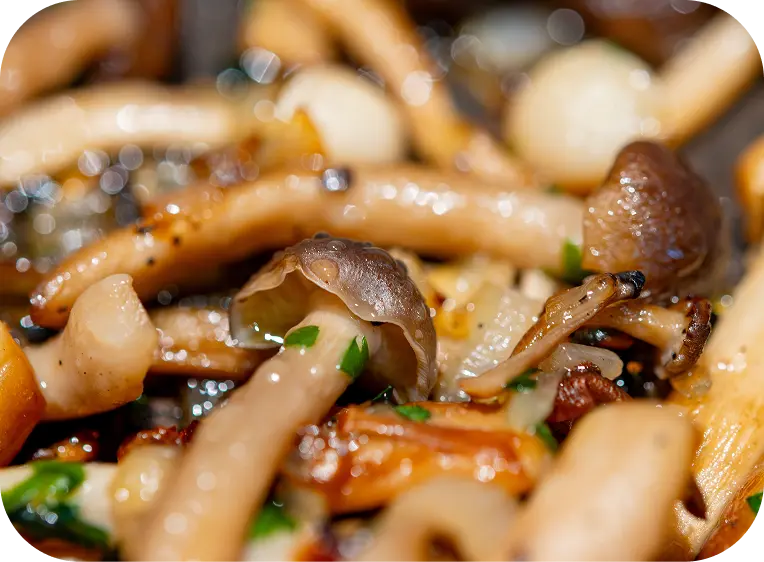
Mushrooms
Mushrooms
In the mushroom family, besides glutamate, guanylate is found at higher levels—especially in dried mushrooms, such as dried shiitake.
| Glutamate level (mg/100g) | Inosinate level (mg/100g) | Guanylate level (mg/100g) | |
|---|---|---|---|
| Dried Shiitake | 1.060 | – | 150 |
| Shimeji | 140 | – | – |
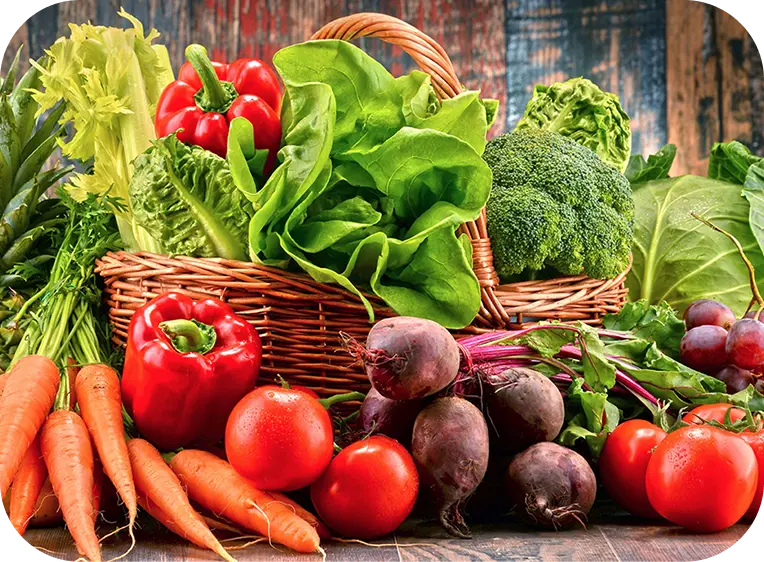
Legumes and vegetables
Legumes and vegetables
In legumes and vegetables, glutamate is the main driver of umami. Its amount varies with ripeness and tends to increase over time. In tomatoes, for instance, glutamate peaks when they are very red.
| Glutamate level (mg/100g) | Inosinate level (mg/100g) | Guanylate level (mg/100g) | |
|---|---|---|---|
| Tomato | 150 to 250 | – | – |
| Garlic | 100 | – | – |
| Soy | 30 to 70 | – | – |
| Sweet Potato | 60 | – | – |
| Spinach | 50 to 70 | – | – |
| Asparagus | 30 to 50 | – | – |
| Broccoli | 30 to 60 | – | – |
| Pea | 110 | – | – |
| Corn | 70 to 110 | – | – |
| Potato | 30 to 100 | – | – |
| Carrot | 20 to 80 | – | – |
| Cabbage | 30 to 50 | – | – |
| Onion | 20 to 50 | – | – |
| Ginger | 20 | – | – |
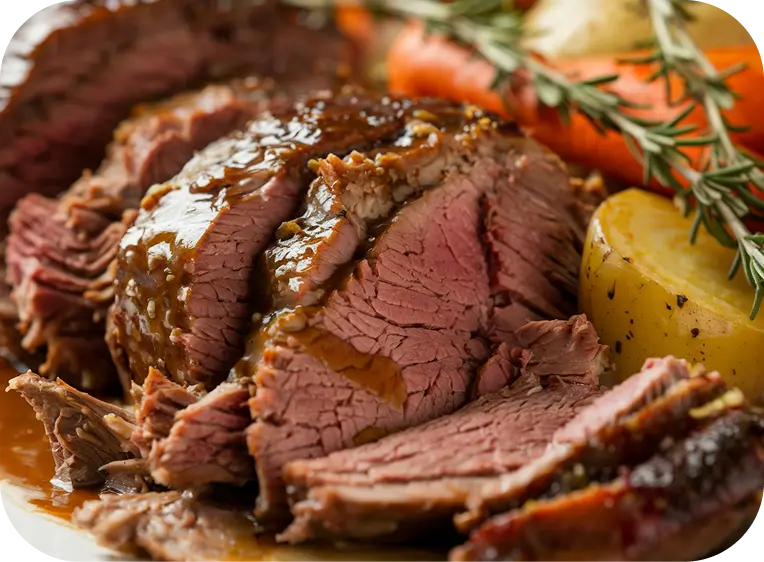
Eggs and meats
Eggs and meats
Eggs and meats are rich in high-quality amino acids, and glutamate is one of them! In aged meats, protein breakdown further boosts the umami taste.
| Glutamate level (mg/100g) | Inosinate level (mg/100g) | Guanylate level (mg/100g) | |
|---|---|---|---|
| Eggs | 20 | – | – |
| Beef | 10 | 80 | – |
| Pork | 10 | 230 | – |
| Chicken | 20 to 50 | 150 to 230 | – |
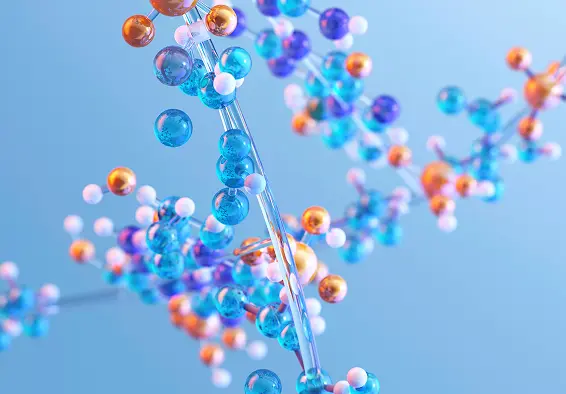
What are amino acids?
Amino acids are the molecules that build our body’s proteins. In total there are 20 types: 11 are produced by the body itself (nonessential) and the other 9 (essential) must come from food. After water, they are the body’s main component—about 20% of our mass—and give rise to more than 100,000 types of proteins!
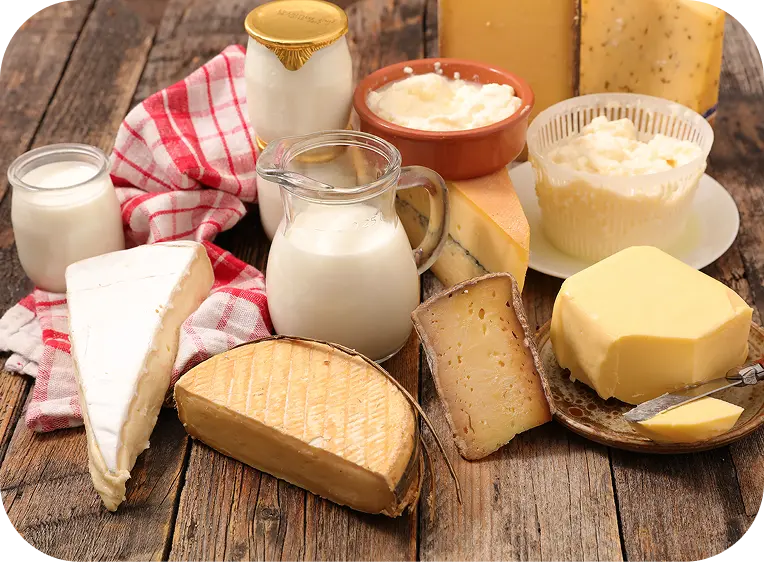
Fermented foods and dairy
Fermented foods and dairy
Umami is intense in cheeses! During maturation, milk proteins break down and release more glutamate.
| Glutamate level (mg/100g) | Inosinate level (mg/100g) | Guanylate level (mg/100g) | |
|---|---|---|---|
| Parmesan Cheese | 1.200 to 1.680 | – | – |
| Miso | 200 to 700 | – | – |
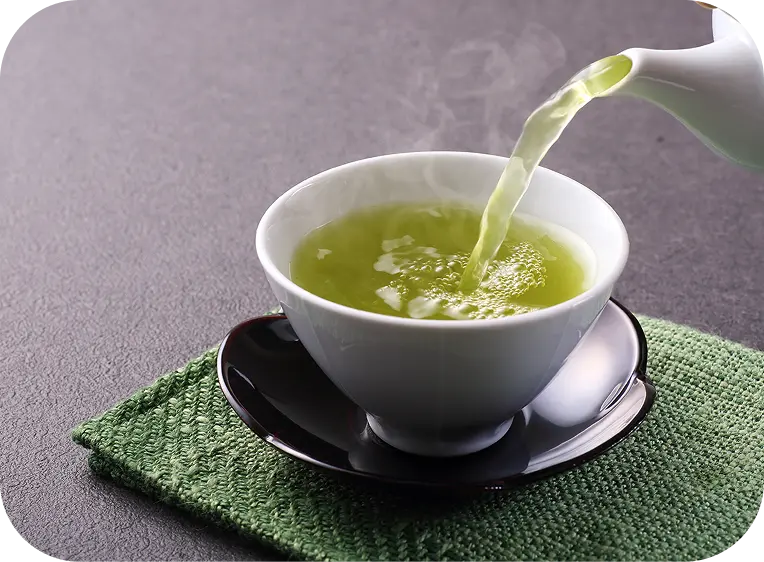
Teas
Teas
Green tea is a great choice when you want a hot drink! Depending on the blend and variety, it can bring sweet, bitter, and umami notes in the same cup.
| Glutamate level (mg/100g) | Inosinate level (mg/100g) | Guanylate level (mg/100g) | |
|---|---|---|---|
| Green tea | 17 to 1.490 | – | – |

Breast milk
Breast milk
In human milk, the most abundant amino acid is glutamate, which plays an essential role in a baby’s development. Glutamate concentrations vary during the different stages of breastfeeding.
Hear what a specialist has to say
Hear what a specialist has to say
Difficulty eating affects various age groups undergoing invasive procedures and/or experiencing side effects. As a professional directly involved with food intake, this is very concerning, since good nutrition supports recovery and maintenance of nutritional status, helping to preserve overall health. Adequate intake should occur throughout the process, but acceptance often decreases due to medications, as in chemotherapy: reduced salivation, altered taste, among other effects. Something must be done to encourage intake in these patients. As the fifth basic taste, umami helps greatly: via foods and/or preparations that contain free glutamate or monosodium glutamate, salivation increases, supporting better food intake. Moreover, foods with umami are better accepted by people who struggle to eat, since one of its characteristics is to round out flavors, making preparations more harmonious. We can guide these patients to consume foods and/or preparations rich in umami to improve intake. Children tend to be more selective during chemotherapy. By including umami-rich foods in preparations—such as cheeses, meats, tomatoes, among others—they can benefit, since a healthy diet can be offered and consumed to improve nutritional status and, consequently, this phase of treatment.”

Dr. Ilana Elman, Specialist in Clinical Nutrition – ASBRAN. Specialist in Child Health, Nutrition and Feeding – UNIFESP. Master in Public Health – USP/FSP. PhD in Sciences – USP/FSP. Postdoctoral in Health Sciences – Hospital Israelita Albert Einstein.
References
References
1. UMAMI Information Center [Internet home page]. [accessed September 11, 2025]. Available at www.umamiinfo.com